
What is Triglycerides and Why It Matters
lab-reports
Understand triglycerides what they are, why high levels are dangerous, and how to lower them.
What Are Triglycerides?
Triglycerides are a type of fat (lipid) found in your blood, derived from the food you eat and stored in fat cells.
When you consume more calories than you burn particularly from carbohydrates and sugars the excess is converted to triglycerides.
They are the most abundant fat in the body and serve as a major energy reserve.
Elevated triglyceride levels (hypertriglyceridemia) are a significant cardiovascular and metabolic risk factor.
Normal vs High Triglyceride Levels
Normal: Below 150 mg/dL optimal for cardiovascular health.
Borderline high: 150199 mg/dL a signal to improve diet and activity.
High: 200499 mg/dL significantly increases risk of heart disease and pancreatitis.
Very high: 500 mg/dL and above risk of acute pancreatitis; requires immediate medical attention.
Why High Triglycerides Are Dangerous
High triglycerides are a component of metabolic syndrome, which dramatically raises cardiovascular risk.
They contribute to the formation of small, dense LDL particles the most dangerous form of bad cholesterol.
Very high triglycerides cause inflammation of the pancreas (pancreatitis) a serious and painful condition.
Elevated TG often co-exist with low HDL and insulin resistance a 'triple threat' for heart disease.
Causes of High Triglycerides
Excessive sugar and refined carbohydrate intake is the leading dietary cause of elevated triglycerides.
Alcohol even in moderate amounts significantly raises triglyceride levels.
Type 2 diabetes, hypothyroidism, and kidney disease can elevate TG independently of diet.
Certain medications including beta-blockers, corticosteroids, and some antipsychotics raise triglycerides.
How to Lower Triglycerides
Cut sugar and refined carbohydrates this alone can reduce triglycerides by 2050% in many people.
Eliminate or sharply reduce alcohol consumption it has a powerful direct effect on TG levels.
Eat more omega-3 fatty acids from fatty fish, flaxseeds, and walnuts.
Exercise consistently aerobic activity clears triglycerides from the bloodstream effectively.
Frequently Asked Questions
Normal triglycerides are below 150 mg/dL. Borderline high is 150199 mg/dL, high is 200499 mg/dL, and very high (above 500 mg/dL) carries a risk of acute pancreatitis.
People Also Ask
Does eating fat raise triglycerides?
Dietary fat has less impact on triglycerides than carbohydrates and sugar. It is excessive calories from refined carbs, sugar, and alcohol that primarily raise blood triglycerides.
Can high triglycerides cause pancreatitis?
Yes. Triglycerides above 5001000 mg/dL significantly increase the risk of acute pancreatitis a serious condition causing severe abdominal pain, nausea, and vomiting requiring hospitalization.
Is fasting required before a triglyceride test?
Yes. Triglyceride levels are highly affected by recent food intake. A 912 hour fast is required for accurate measurement. Eating before the test can falsely elevate results by 2050%.
What medications are used to lower triglycerides?
Fibrates (fenofibrate), high-dose omega-3 fish oil (prescription), and niacin are used for high triglycerides. Statins modestly lower triglycerides as well. Medications are typically used when lifestyle changes are insufficient.
Related Articles

LDL vs HDL Good vs Bad Cholesterol Explained
Understand the difference between LDL and HDL cholesterol and what your levels mean for your heart.
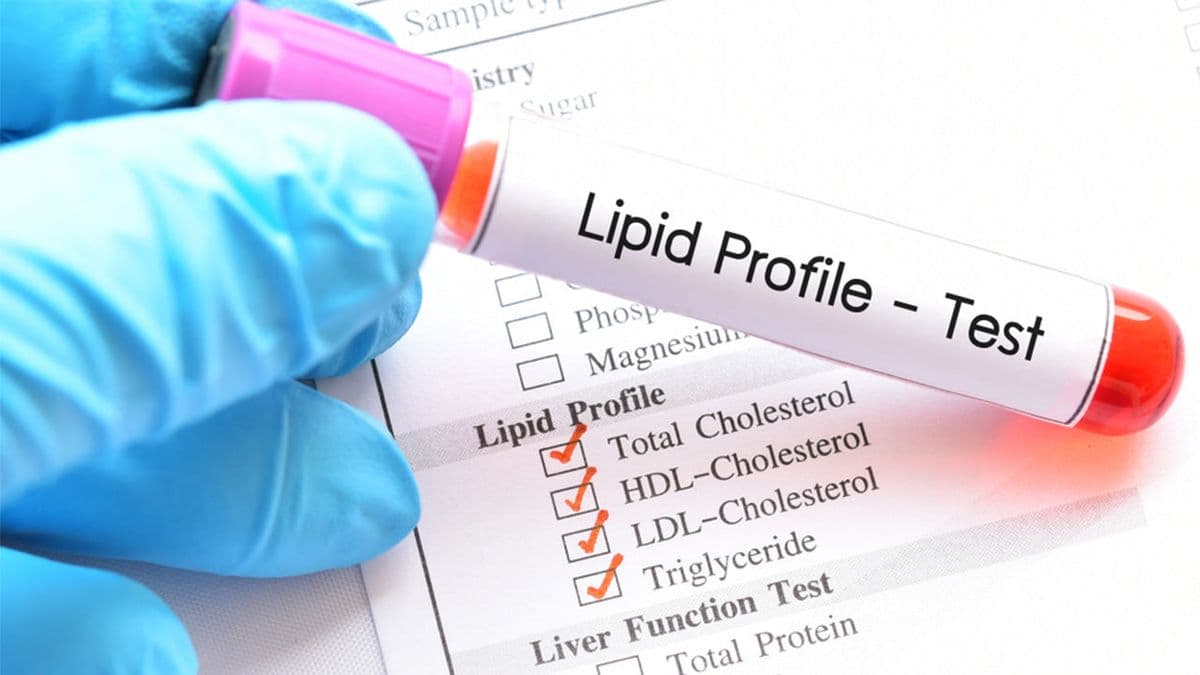
How to Understand Your Lipid Profile
A complete guide to reading and interpreting your lipid profile test results.
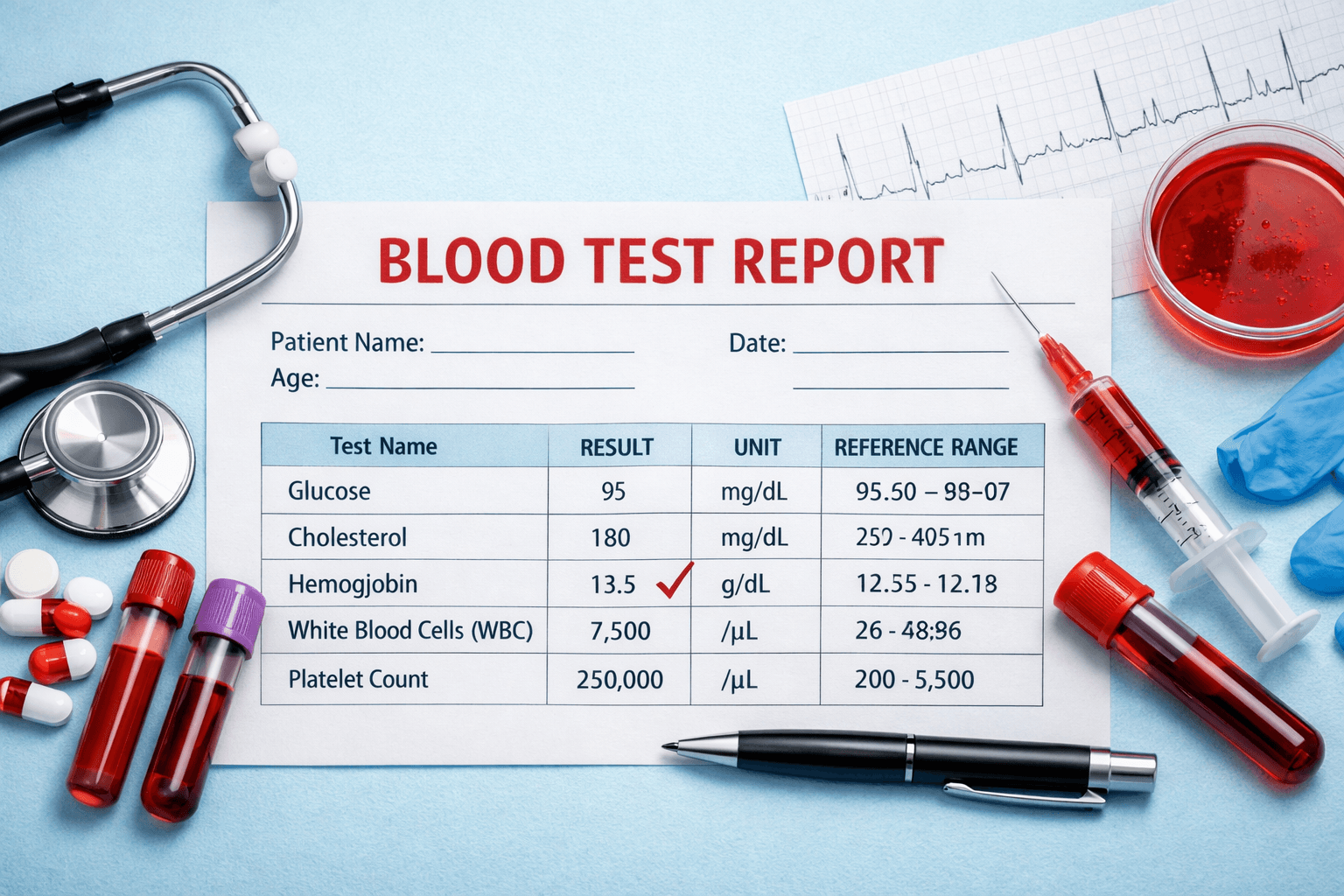
How to Read Your Blood Test Report
A beginner-friendly guide to understanding the numbers and abbreviations in your blood test results.