
HbA1c vs Blood Sugar What's the Difference?
diabetes
Understand the key differences between HbA1c and blood sugar tests and why both matter for diabetes management.
Two Ways to Measure Blood Sugar
When it comes to monitoring diabetes, two key tests are used: the blood glucose test and the HbA1c test.
A blood glucose test shows your sugar level at a specific moment in time it can be fasting, random, or post-meal.
The HbA1c test (also called glycated hemoglobin) reflects your average blood sugar levels over the past 23 months.
Together, these two tests provide a complete picture of both daily sugar control and long-term trends.
What is HbA1c?
HbA1c measures the percentage of hemoglobin (a protein in red blood cells) that is coated with sugar.
Since red blood cells live for about 90 days, this test gives a 3-month average of blood sugar levels.
A normal HbA1c is below 5.7%; prediabetes is 5.76.4%; diabetes is diagnosed at 6.5% or higher.
Lowering HbA1c by just 1% significantly reduces the risk of diabetes-related complications.
What is a Blood Glucose Test?
A fasting blood glucose test is done after at least 8 hours without food normal is below 100 mg/dL.
A post-meal (postprandial) test, taken 2 hours after eating, should ideally be below 140 mg/dL.
A random blood glucose test above 200 mg/dL with symptoms is diagnostic of diabetes.
Daily glucose monitoring helps identify spikes caused by specific foods, stress, or missed medications.
Which Test Is More Important?
Both tests are important neither alone tells the full story of your diabetes control.
Blood glucose tests capture daily fluctuations and help fine-tune diet and medication in real time.
HbA1c assesses overall metabolic control and risk for long-term complications like neuropathy and nephropathy.
A person can have a normal HbA1c but still have dangerous daily spikes both must be monitored.
How to Improve Both Values
Eat low-glycemic foods vegetables, legumes, whole grains to avoid post-meal sugar spikes.
Exercise regularly even a 15-minute walk after meals reduces post-meal glucose levels significantly.
Take medications as prescribed and never skip doses, as this leads to glucose volatility.
Track your readings consistently and share trends with your doctor for personalized adjustments.
Frequently Asked Questions
Fasting blood sugar gives your glucose level at a single point in time after fasting for 8+ hours. HbA1c reflects your average blood sugar over the past 23 months. Both are needed for complete diabetes assessment.
People Also Ask
Is HbA1c 6.5 dangerous?
An HbA1c of 6.5% meets the diagnostic threshold for diabetes. It requires medical consultation, lifestyle changes, and possibly medication. With proper management, it can be lowered.
Can I reduce my HbA1c in 3 months?
Yes. Consistent dietary changes, regular exercise, and medication adherence can meaningfully lower HbA1c within a 3-month period the timeframe the test reflects.
What blood sugar level is dangerous?
A fasting blood sugar above 126 mg/dL, post-meal above 200 mg/dL, or a random reading above 200 mg/dL with symptoms is considered dangerous and warrants immediate medical attention.
Does stress raise HbA1c?
Yes. Chronic stress raises cortisol, which increases blood glucose. Over 3 months, this can measurably elevate HbA1c even without dietary changes.
Related Articles
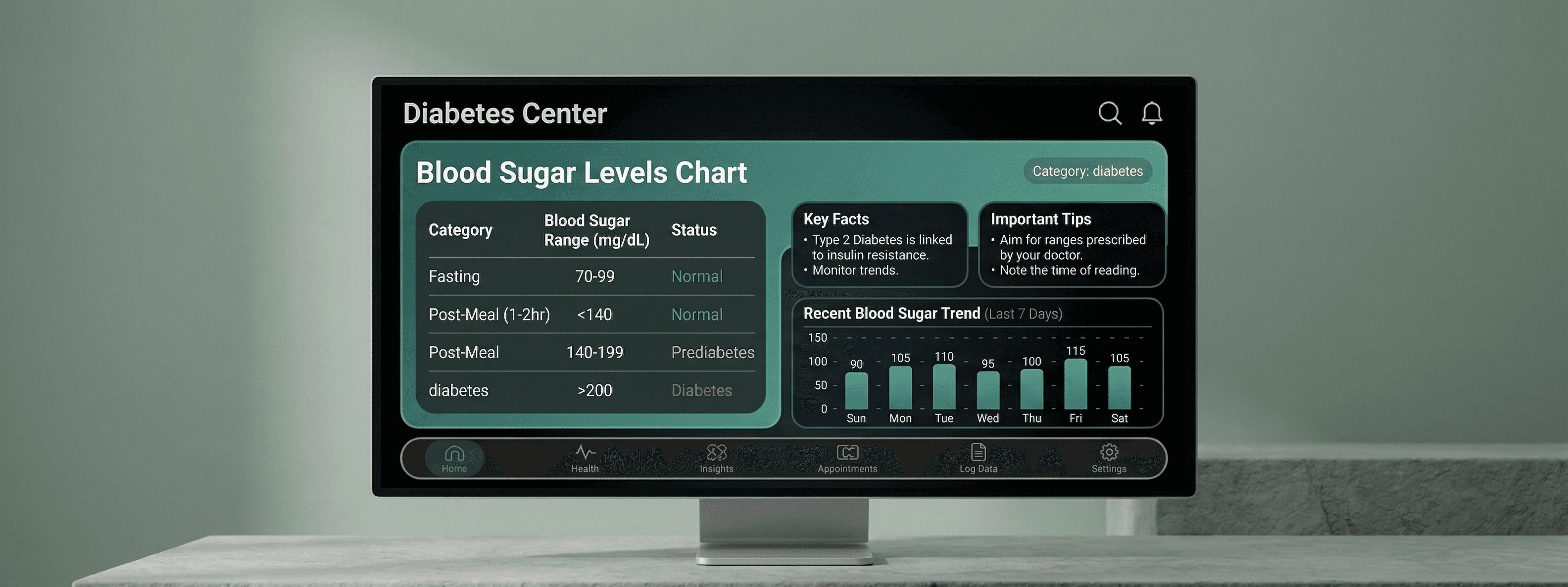
Normal Blood Sugar Levels Chart
Understand fasting and post-meal sugar levels for better diabetes control.
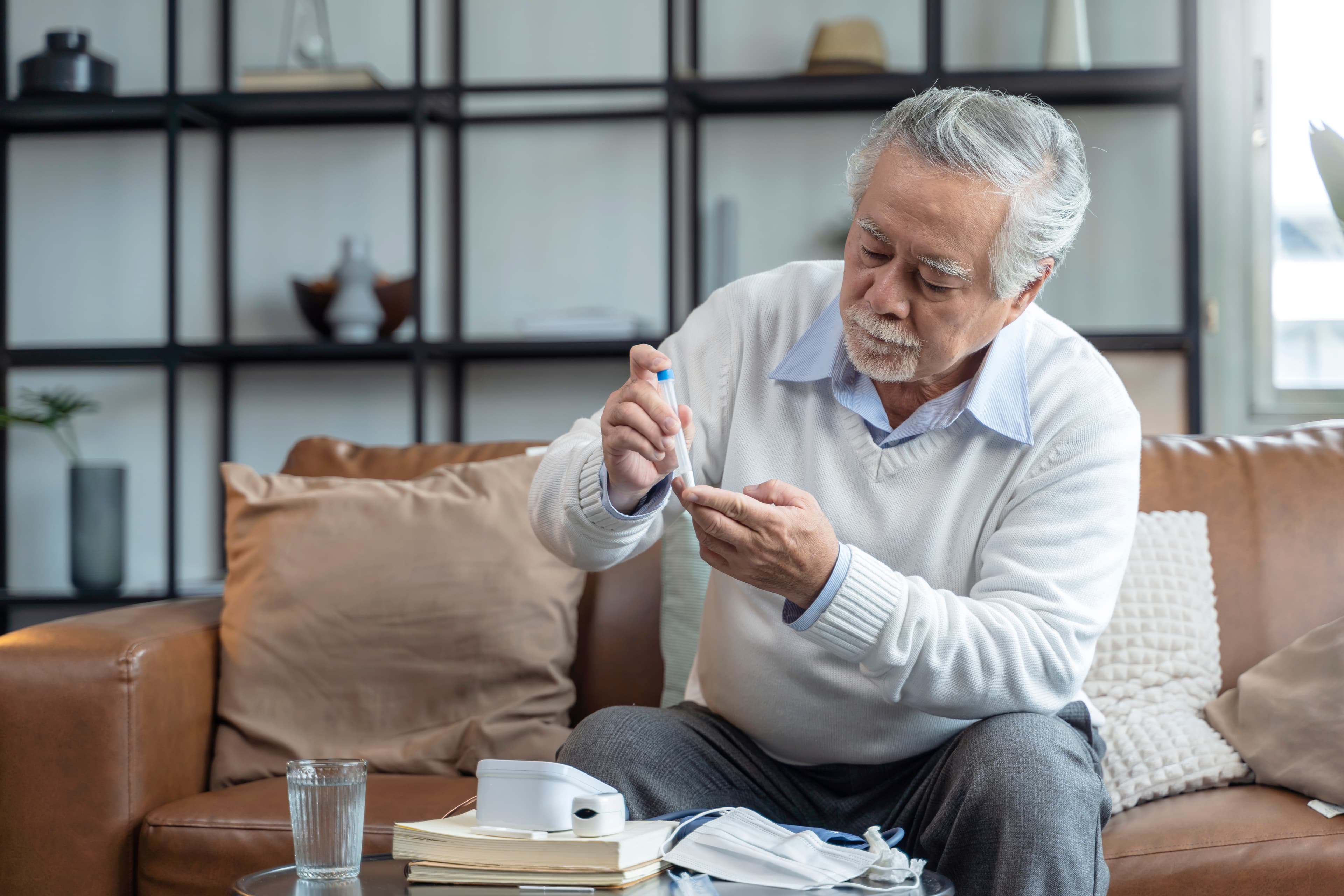
Early Symptoms of Diabetes
Recognize the early warning signs of diabetes to seek timely diagnosis and treatment.

How to Control Sugar Naturally
Evidence-based natural methods to lower and stabilize blood sugar without medication.