
How to Control Sugar Naturally
diabetes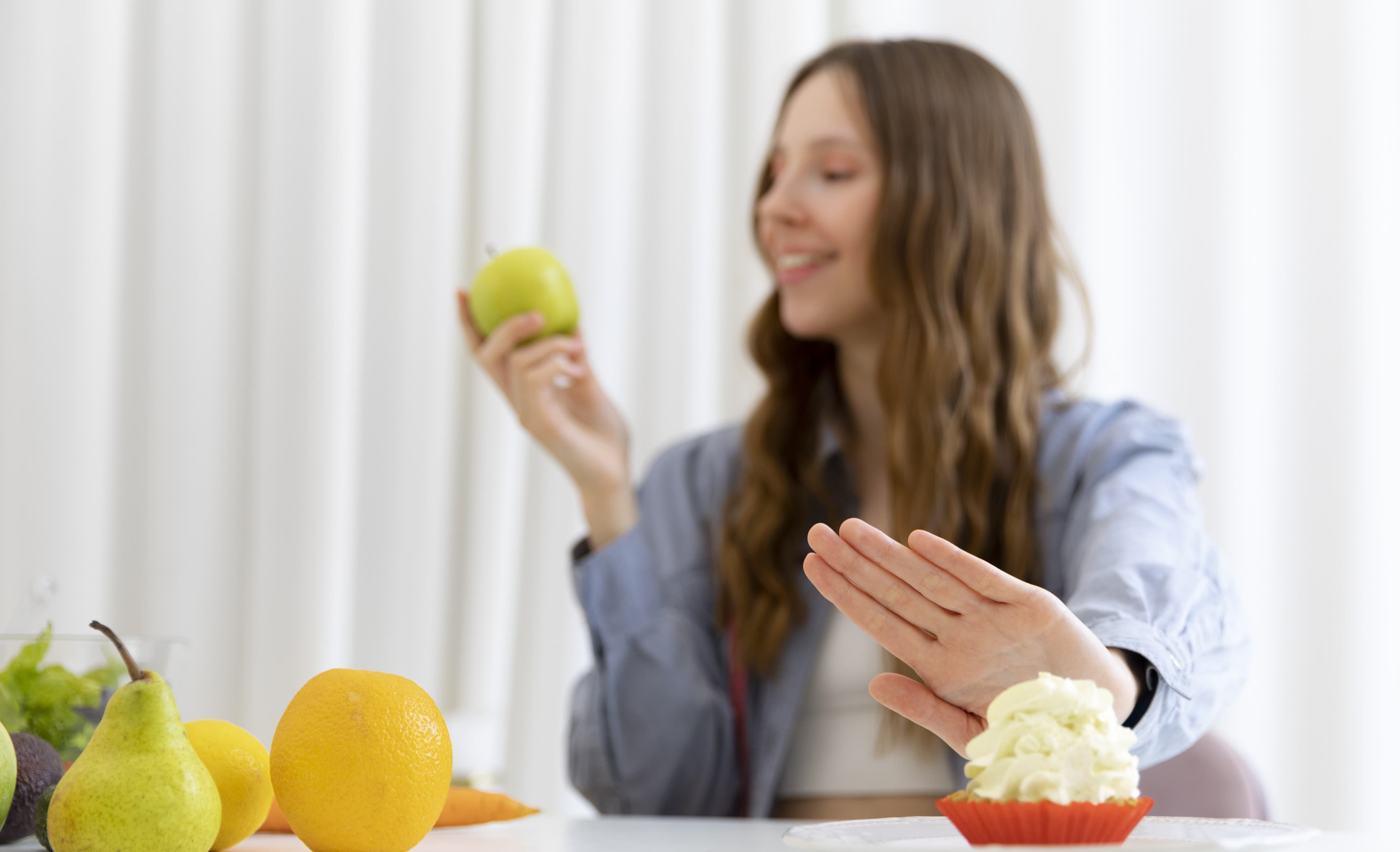
Evidence-based natural methods to lower and stabilize blood sugar without medication.
Natural Blood Sugar Management
For people with prediabetes or early Type 2 diabetes, natural interventions can be remarkably effective.
Studies show that lifestyle changes can reduce HbA1c by 12% comparable to some diabetes medications.
Natural management focuses on diet, exercise, stress, sleep, and specific foods proven to support glucose regulation.
Always consult your doctor before stopping or reducing medications natural management complements, not replaces, medical care.
Dietary Strategies
Reduce refined carbohydrates (white rice, bread, sugary drinks) and replace with low-glycemic alternatives.
Add fiber-rich foods like oats, barley, legumes, and vegetables fiber slows glucose absorption.
Consume protein and healthy fat with every meal to blunt the insulin response.
Eat smaller, more frequent meals to prevent large glucose swings throughout the day.
Exercise as a Natural Glucose Regulator
Exercise increases glucose uptake by muscle cells, lowering blood sugar even without insulin.
A 1530 minute walk after meals has been shown to significantly reduce postprandial glucose spikes.
Both aerobic exercise and resistance training improve insulin sensitivity over time.
Consistency matters aim for at least 150 minutes of moderate activity per week.
Natural Foods and Spices That Help
Cinnamon improves insulin sensitivity and has been shown in studies to modestly lower fasting glucose.
Bitter gourd (karela) contains plant insulin-like compounds that help lower blood sugar.
Fenugreek seeds soaked overnight and consumed in the morning can reduce post-meal glucose.
Apple cider vinegar taken before a high-carb meal reduces the glycemic response in multiple clinical trials.
Sleep, Stress, and Consistency
Getting 79 hours of sleep is critical sleep deprivation raises cortisol, which increases blood sugar.
Chronic stress elevates blood glucose through cortisol-mediated glycogen breakdown in the liver.
Yoga and mindfulness meditation have been shown to improve HbA1c by reducing stress-driven hyperglycemia.
Track your readings daily to see how each change affects your glucose data empowers better decisions.
Frequently Asked Questions
Yes, especially for prediabetes and early Type 2 diabetes. Diet changes, regular exercise, weight loss, and stress management can lower HbA1c by 12% comparable to some oral diabetes medications.
People Also Ask
How much can exercise lower blood sugar?
Exercise can lower blood sugar by 2050 mg/dL depending on intensity and duration. Even a 15-minute post-meal walk can reduce post-meal glucose by 30 mg/dL or more.
Is cinnamon effective for diabetes?
Clinical studies suggest cinnamon (16g/day) can reduce fasting blood glucose by 1029% in Type 2 diabetics. Results are modest it is a helpful supplement but not a replacement for medication.
What is the best time to check blood sugar?
Key times are: fasting (morning before eating), 2 hours after each main meal, and before bed. Checking before and after exercise also helps understand how activity affects your glucose.
Does stress raise blood sugar in non-diabetics?
Yes. Cortisol released during stress triggers the liver to release glucose. In non-diabetics, insulin quickly normalizes this. In prediabetics or those with insulin resistance, the spike may take longer to clear.
Related Articles
HbA1c vs Blood Sugar What's the Difference?
Understand the key differences between HbA1c and blood sugar tests and why both matter for diabetes management.
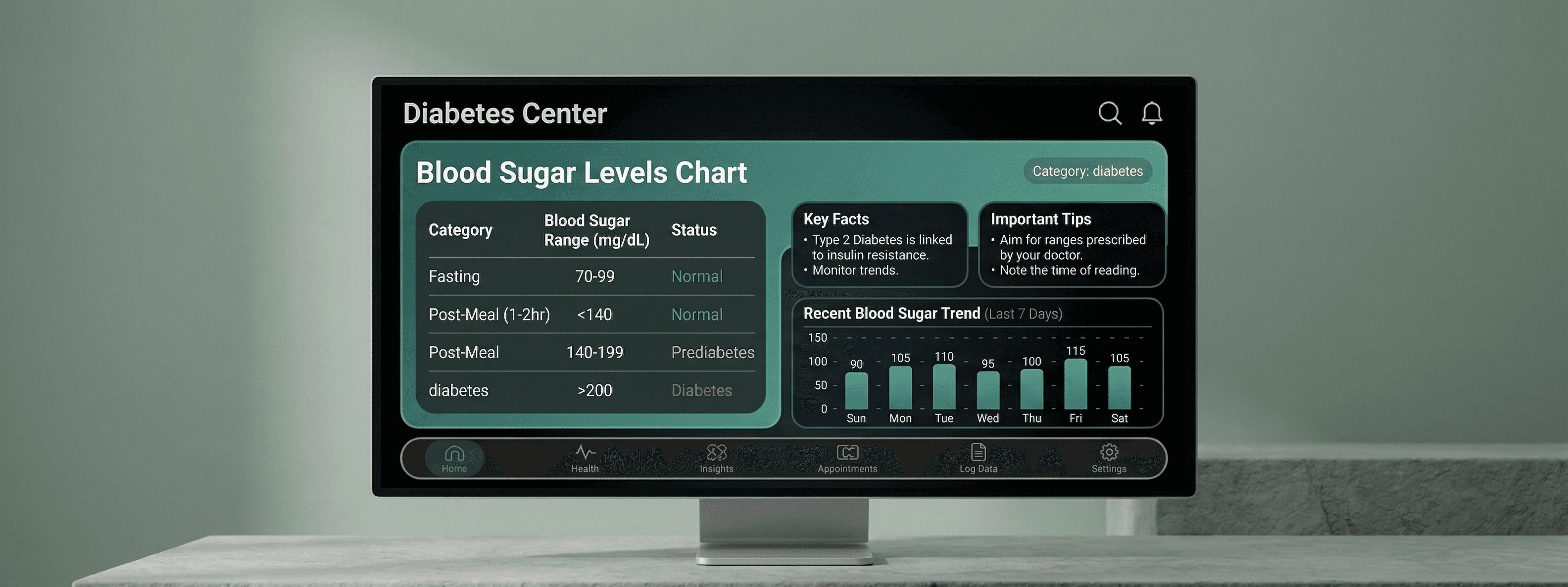
Normal Blood Sugar Levels Chart
Understand fasting and post-meal sugar levels for better diabetes control.
Early Symptoms of Diabetes
Recognize the early warning signs of diabetes to seek timely diagnosis and treatment.