
Best Foods for Diabetes Patients
diabetes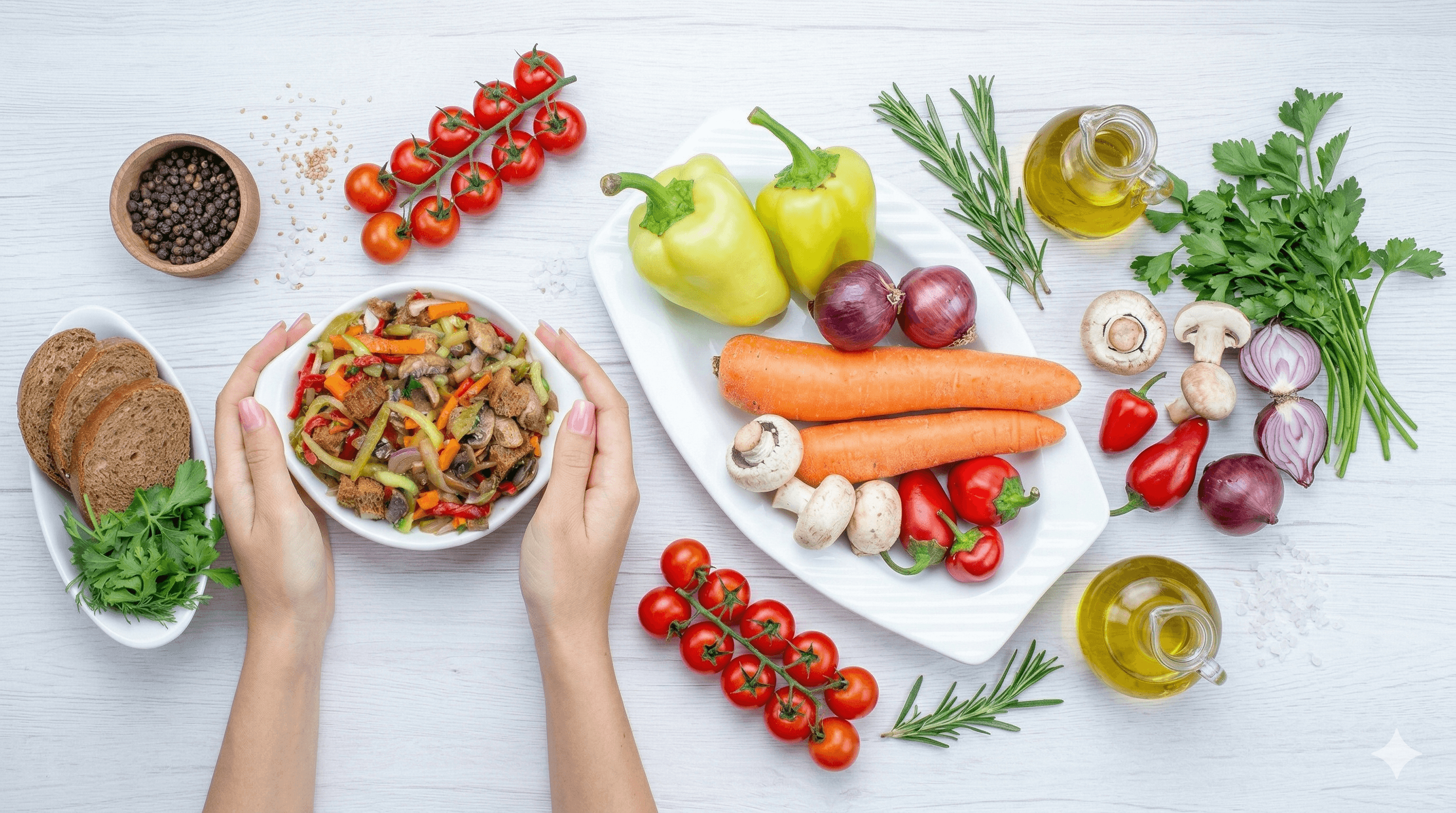
A practical guide to the best diabetes-friendly foods that help control blood sugar naturally.
Eating Right with Diabetes
Food is the most powerful lever for blood sugar management more immediate than most medications.
A diabetes-friendly diet is not about extreme restriction it is about making smart food swaps.
Focus on foods with a low glycemic index (GI) and high nutrient density to keep sugar stable and energy high.
The right food choices also reduce the risk of diabetes complications like heart disease and kidney damage.
Best Carbohydrate Choices
Whole grains brown rice, whole wheat roti, oats, quinoa are digested slowly and cause gradual glucose rises.
Legumes (dal, rajma, chickpeas) combine complex carbs, protein, and fiber making them ideal for blood sugar control.
Sweet potatoes have a lower GI than regular potatoes and provide vitamins A and C alongside slow-burning energy.
Avoid white bread, white rice, maida, and sugary cereals which spike blood sugar rapidly.
Best Proteins and Fats
Protein slows digestion and prevents sharp glucose rises eggs, lentils, paneer, tofu, and fish are excellent choices.
Fatty fish (salmon, mackerel, sardines) provide omega-3s that reduce inflammation and improve insulin sensitivity.
Nuts and seeds (almonds, walnuts, flaxseeds) provide healthy fats, magnesium, and fiber.
Olive oil and avocado contain monounsaturated fats that improve metabolic health without spiking glucose.
Best Vegetables and Fruits
Non-starchy vegetables (spinach, broccoli, cauliflower, cucumber, bitter gourd) are freely consumed they are low in carbs and high in fiber.
Berries are the best fruits for diabetics low GI, high in antioxidants, and rich in fiber.
Guava and jamun (black plum) have traditional and scientific support for lowering blood sugar.
Limit high-GI fruits like mango, banana, and grapes to small portions combined with protein.
Daily Meal Planning Tips
Follow the 'plate method': fill half with non-starchy vegetables, one quarter with lean protein, one quarter with whole grains.
Never skip breakfast it sets the metabolic tone for the day and prevents mid-morning glucose spikes.
Eat at consistent times each day to keep insulin levels and hunger signals predictable.
Track what you eat and your glucose response to identify your personal trigger foods.
Frequently Asked Questions
The best foods are low-glycemic and nutrient-dense: leafy greens, legumes, whole grains, fatty fish, nuts, berries, and eggs. These stabilize blood sugar and reduce the risk of diabetes complications.
People Also Ask
Are eggs good for diabetics?
Yes. Eggs are an excellent food for diabetics they are high in protein, have virtually no carbohydrates, and do not raise blood sugar. They also improve satiety and help prevent overeating.
What are the worst foods for diabetics?
White bread, white rice, sugary drinks, fruit juices, processed snacks, pastries, fried foods, and sweetened yogurts are among the worst choices for blood sugar control.
Is milk good for diabetics?
Low-fat or skim milk in moderate amounts is generally safe. Full-fat dairy and flavored milks have more saturated fat or added sugar. Unsweetened plant-based milks (almond, soy) can be good alternatives.
Can diabetics eat sweets occasionally?
Small portions of sweets on special occasions, combined with protein and eaten after a balanced meal, generally have a smaller glucose impact. Monitoring your response and not making it a habit is key.
Related Articles

HbA1c vs Blood Sugar What's the Difference?
Understand the key differences between HbA1c and blood sugar tests and why both matter for diabetes management.
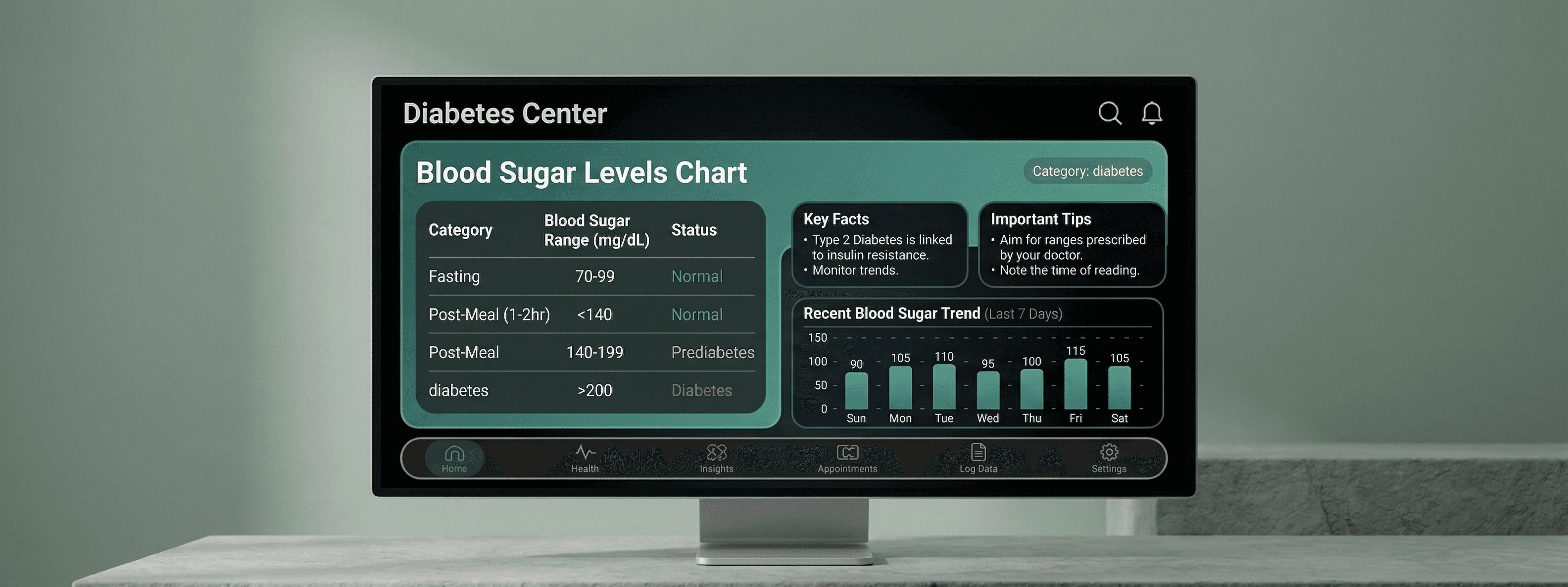
Normal Blood Sugar Levels Chart
Understand fasting and post-meal sugar levels for better diabetes control.

Early Symptoms of Diabetes
Recognize the early warning signs of diabetes to seek timely diagnosis and treatment.