
Early Symptoms of Diabetes
diabetes
Recognize the early warning signs of diabetes to seek timely diagnosis and treatment.
Why Early Detection is Critical
Millions of people live with undiagnosed diabetes for years, causing silent organ damage.
Type 2 diabetes develops gradually and its early symptoms are often mistaken for normal fatigue or aging.
Early diagnosis allows for lifestyle interventions that can reverse prediabetes and slow the progression of Type 2.
Knowing the early signs can prompt you to get tested before serious complications develop.
Classic Early Warning Signs
Frequent urination (polyuria) the kidneys try to flush out excess glucose, leading to more bathroom trips.
Excessive thirst (polydipsia) fluid loss from urination causes persistent dehydration and thirst.
Unexplained weight loss the body burns fat and muscle for energy when it cannot use glucose properly.
Increased hunger (polyphagia) cells starved of glucose send constant hunger signals to the brain.
Subtle Symptoms Often Overlooked
Blurred vision caused by changes in lens fluid due to fluctuating blood sugar levels.
Slow-healing wounds or frequent infections high sugar impairs immune function and circulation.
Tingling, numbness, or burning in hands and feet (early neuropathy) is a sign of nerve damage beginning.
Dark, velvety skin patches in body folds (acanthosis nigricans) indicate insulin resistance.
Who is at Risk?
People with a family history of diabetes are at 26 times higher risk of developing the condition.
Overweight individuals especially with excess belly fat have high insulin resistance risk.
Women who have had gestational diabetes or polycystic ovarian syndrome (PCOS) face elevated risk.
Physically inactive people and those over 45 are also in higher-risk categories.
What to Do If You Notice These Signs
Visit your doctor for a fasting glucose test, HbA1c test, and oral glucose tolerance test.
Do not delay even a few months of unmanaged high blood sugar causes meaningful damage.
If diagnosed with prediabetes, aggressive lifestyle changes can prevent or delay Type 2 diabetes.
Daily monitoring of glucose levels and tracking food intake are key tools in early management.
Frequently Asked Questions
The classic early signs are frequent urination, excessive thirst, unexplained weight loss, and increased hunger. More subtle signs include fatigue, blurred vision, slow-healing wounds, and tingling in hands or feet.
People Also Ask
What does undiagnosed diabetes feel like?
People with undiagnosed diabetes often feel persistently tired, thirsty, and may notice more frequent urination. They may also have blurry vision, unexplained weight changes, and wounds that heal slowly.
Can you feel if your blood sugar is high?
Some people feel symptoms like fatigue, headache, blurred vision, or irritability when blood sugar is elevated. However, many experience no symptoms at all, especially in the early stages of diabetes.
Does diabetes cause skin problems?
Yes. Dark velvety patches (acanthosis nigricans) in body folds indicate insulin resistance. Diabetes also increases susceptibility to skin infections, slow wound healing, and itching.
How long can you have diabetes without knowing?
Type 2 diabetes can go undetected for 510 years. During this time, silent damage occurs to blood vessels, kidneys, nerves, and eyes making early screening essential.
Related Articles

HbA1c vs Blood Sugar What's the Difference?
Understand the key differences between HbA1c and blood sugar tests and why both matter for diabetes management.
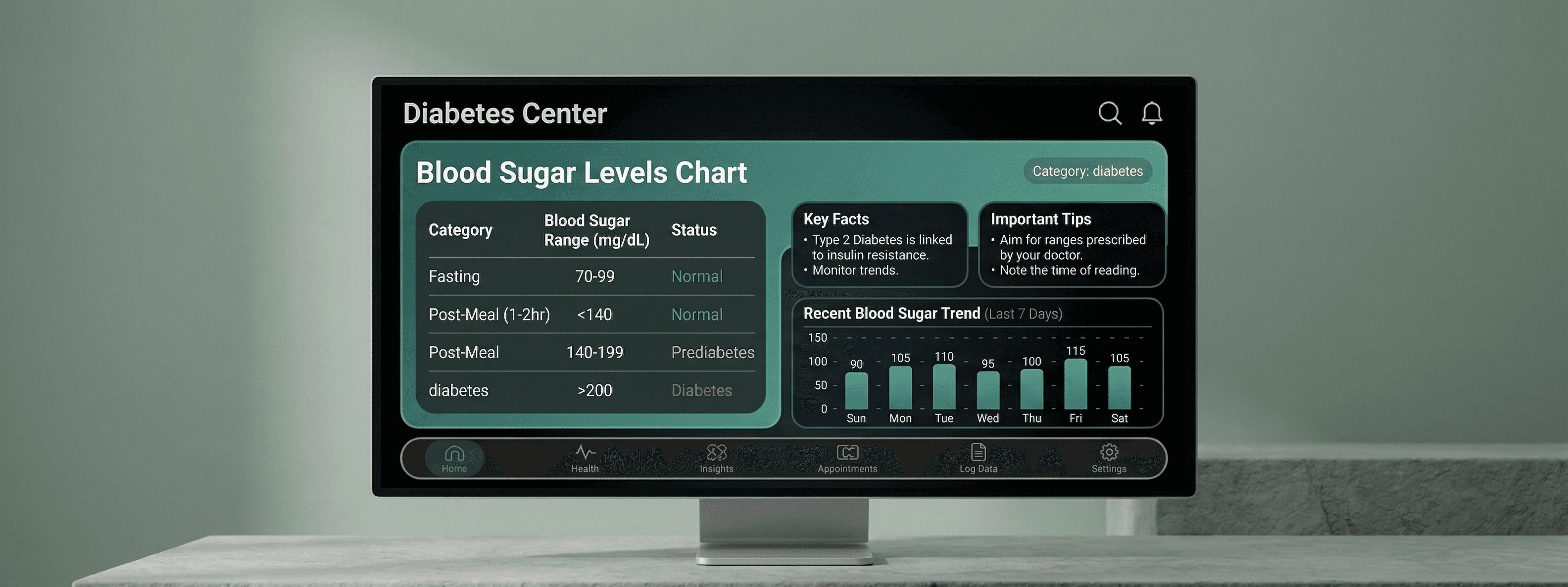
Normal Blood Sugar Levels Chart
Understand fasting and post-meal sugar levels for better diabetes control.

How to Control Sugar Naturally
Evidence-based natural methods to lower and stabilize blood sugar without medication.