
LDL vs HDL Good vs Bad Cholesterol Explained
lab-reports
Understand the difference between LDL and HDL cholesterol and what your levels mean for your heart.
Cholesterol: Friend and Foe
Cholesterol is a waxy substance produced by the liver that is essential for building cells and producing hormones.
Not all cholesterol is harmful the type and balance of cholesterol matters far more than the total amount.
LDL (Low-Density Lipoprotein) is often called 'bad' cholesterol, while HDL (High-Density Lipoprotein) is called 'good' cholesterol.
Understanding your LDL and HDL levels is one of the most important steps in assessing your cardiovascular risk.
LDL The 'Bad' Cholesterol
LDL carries cholesterol from the liver to the body's cells but excess LDL deposits in artery walls.
These deposits form plaques that narrow arteries (atherosclerosis), reducing blood flow and raising heart attack and stroke risk.
Optimal LDL levels are below 100 mg/dL; above 160 mg/dL is considered high; above 190 mg/dL is very high risk.
Small, dense LDL particles are more dangerous than large LDL advanced lipid testing can distinguish between them.
HDL The 'Good' Cholesterol
HDL acts as a reverse cholesterol transporter it picks up excess cholesterol from arteries and returns it to the liver for disposal.
Higher HDL levels are protective HDL above 60 mg/dL is considered cardioprotective.
HDL below 40 mg/dL in men and 50 mg/dL in women is a risk factor for heart disease.
Exercise is one of the most effective ways to raise HDL levels naturally.
How to Improve Your Cholesterol Profile
Reduce saturated fats (red meat, butter, ghee, fried food) to lower LDL.
Eat more soluble fiber (oats, apples, flaxseed, beans) which binds to cholesterol in the gut.
Exercise regularly aerobic activity raises HDL and lowers LDL and triglycerides.
Omega-3 fatty acids from fatty fish or supplements reduce triglycerides and improve the overall lipid profile.
When Medication is Needed
When lifestyle changes are insufficient, statins are the first-line medication for lowering LDL.
Statins reduce LDL by 3050% and have been proven to reduce heart attack risk significantly.
Your doctor will assess your overall cardiovascular risk before recommending medication LDL alone is not the only factor.
Regular lipid profile testing every 612 months tracks the effectiveness of both lifestyle and medication interventions.
Frequently Asked Questions
LDL (bad cholesterol) deposits cholesterol in artery walls, forming plaques that can cause heart attacks. HDL (good cholesterol) removes excess cholesterol from arteries and returns it to the liver for disposal.
People Also Ask
Can high LDL be genetic?
Yes. Familial hypercholesterolemia is a genetic condition where LDL is very high regardless of diet. It affects 1 in 250 people and significantly raises heart disease risk from an early age.
Does exercise lower LDL cholesterol?
Exercise primarily raises HDL and lowers triglycerides. It can modestly lower LDL as well, especially when combined with a low-saturated-fat diet.
What does an LDL of 150 mean?
An LDL of 150 mg/dL is classified as borderline high. Lifestyle changes reducing saturated fat, increasing fiber, and exercising more are recommended. Your doctor may also discuss medication.
Is HDL of 40 bad?
HDL of 40 mg/dL for men is considered a risk factor for heart disease. The goal is above 60 mg/dL. Exercise, healthy fats, and quitting smoking can help raise it.
Related Articles
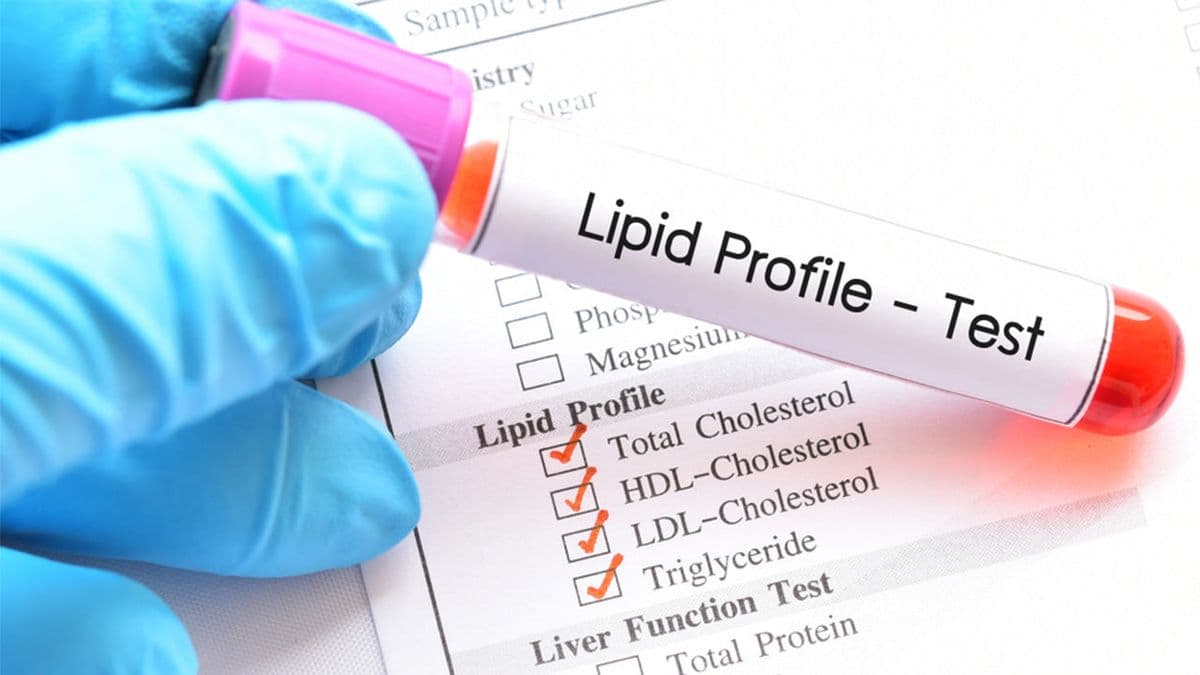
How to Understand Your Lipid Profile
A complete guide to reading and interpreting your lipid profile test results.
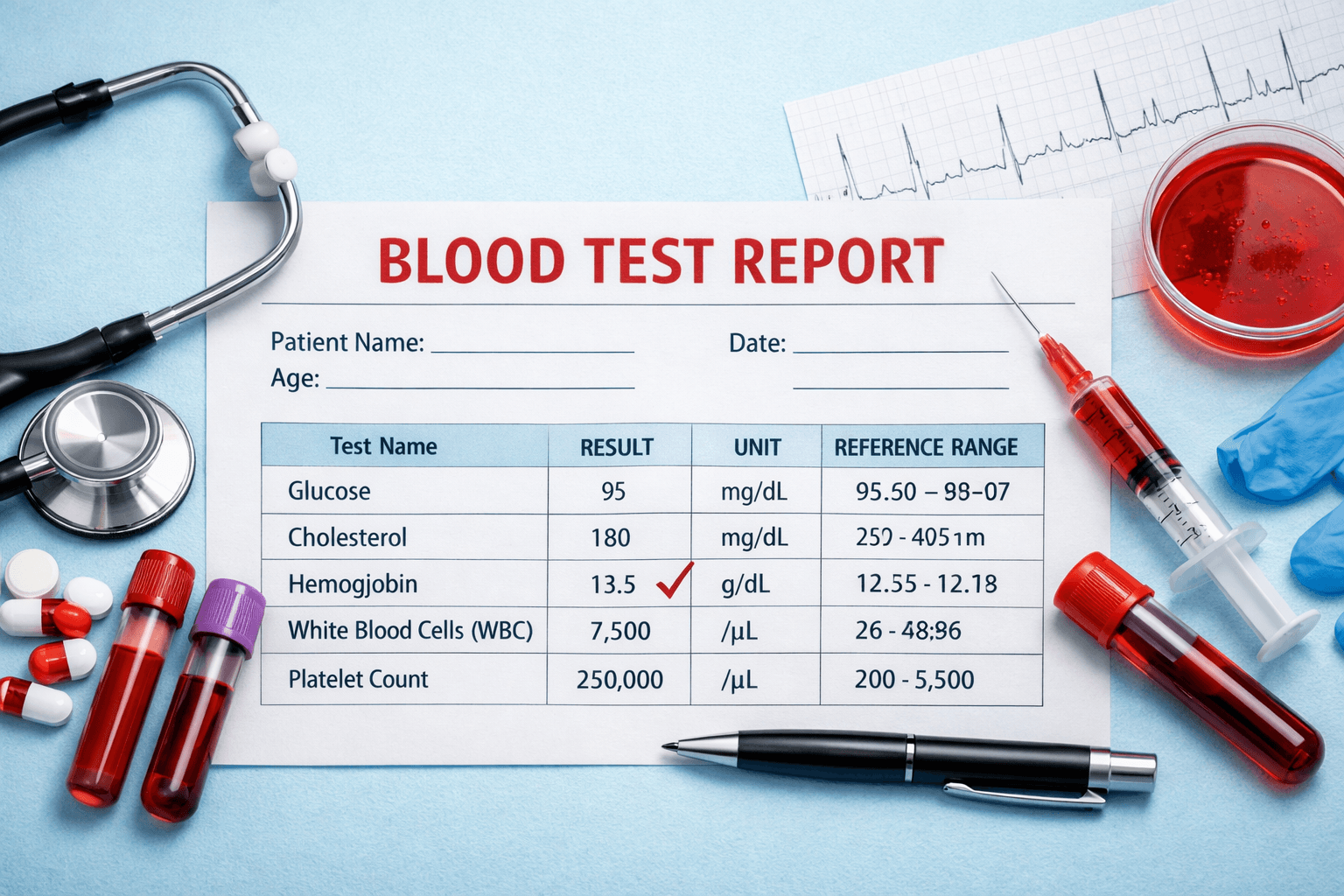
How to Read Your Blood Test Report
A beginner-friendly guide to understanding the numbers and abbreviations in your blood test results.

What is Triglycerides and Why It Matters
Understand triglycerides what they are, why high levels are dangerous, and how to lower them.