
What is Normal Cholesterol Level?
lab-reports
Learn what cholesterol numbers mean and what targets to aim for to protect your heart.
Cholesterol 101
Cholesterol is measured in milligrams per deciliter (mg/dL) from a blood sample taken after fasting.
A standard lipid panel measures total cholesterol, LDL, HDL, and triglycerides.
These values together paint a picture of cardiovascular risk more accurately than any single number.
Understanding what each value means helps you take targeted steps to improve your heart health.
Total Cholesterol Reference Ranges
Desirable: Total cholesterol below 200 mg/dL associated with lower cardiovascular risk.
Borderline high: 200239 mg/dL warrants lifestyle attention and follow-up testing.
High: 240 mg/dL and above doubles the risk of heart disease compared to normal levels.
Total cholesterol alone is a poor predictor the LDL/HDL ratio is more informative.
LDL, HDL, and Triglyceride Targets
LDL target: Below 100 mg/dL for most adults; below 70 mg/dL for those with existing heart disease.
HDL target: Above 60 mg/dL is cardioprotective; below 40 in men and 50 in women is a risk factor.
Triglycerides: Normal below 150 mg/dL; borderline 150199; high 200499; very high 500+.
Non-HDL cholesterol (total minus HDL) should ideally be below 130 mg/dL and is a useful composite risk marker.
What Raises Cholesterol?
Saturated and trans fats in red meat, dairy, fried food, and baked goods directly raise LDL levels.
Genetic conditions like familial hypercholesterolemia cause very high LDL regardless of diet.
Sedentary lifestyle reduces HDL and increases LDL over time.
Hypothyroidism and diabetes can elevate total cholesterol and LDL independently of dietary choices.
How Often Should You Test?
Adults over 20 should have a complete lipid panel every 46 years if results are normal.
Those with risk factors high BP, diabetes, smoking, family history should test annually.
After starting a new diet, exercise program, or medication, retest in 3 months to assess impact.
Use HeartView to log your lipid results over time and track your progress toward optimal levels.
Frequently Asked Questions
A total cholesterol below 200 mg/dL is desirable. 200239 is borderline high, and 240 or above doubles heart disease risk. However, the breakdown into LDL and HDL matters more than total cholesterol alone.
People Also Ask
Does eating eggs raise cholesterol?
Eggs contain dietary cholesterol, but research shows they have a modest effect on blood LDL for most people. The saturated fat in your overall diet has a larger impact on cholesterol than eggs alone.
Can stress raise cholesterol?
Yes. Chronic stress raises cortisol, which stimulates the liver to produce more cholesterol. Stress-related behaviors (poor diet, inactivity) also indirectly raise cholesterol.
What is the best natural cholesterol-lowering food?
Oats (beta-glucan fiber), almonds, flaxseeds, fatty fish, avocado, olive oil, and plant sterols (found in fortified foods) are among the most evidence-backed natural cholesterol-lowering foods.
Is cholesterol of 250 dangerous?
A total cholesterol of 250 mg/dL is in the high range and warrants medical evaluation. The overall risk depends on the LDL/HDL breakdown, triglycerides, blood pressure, smoking status, and other risk factors.
Related Articles

LDL vs HDL Good vs Bad Cholesterol Explained
Understand the difference between LDL and HDL cholesterol and what your levels mean for your heart.
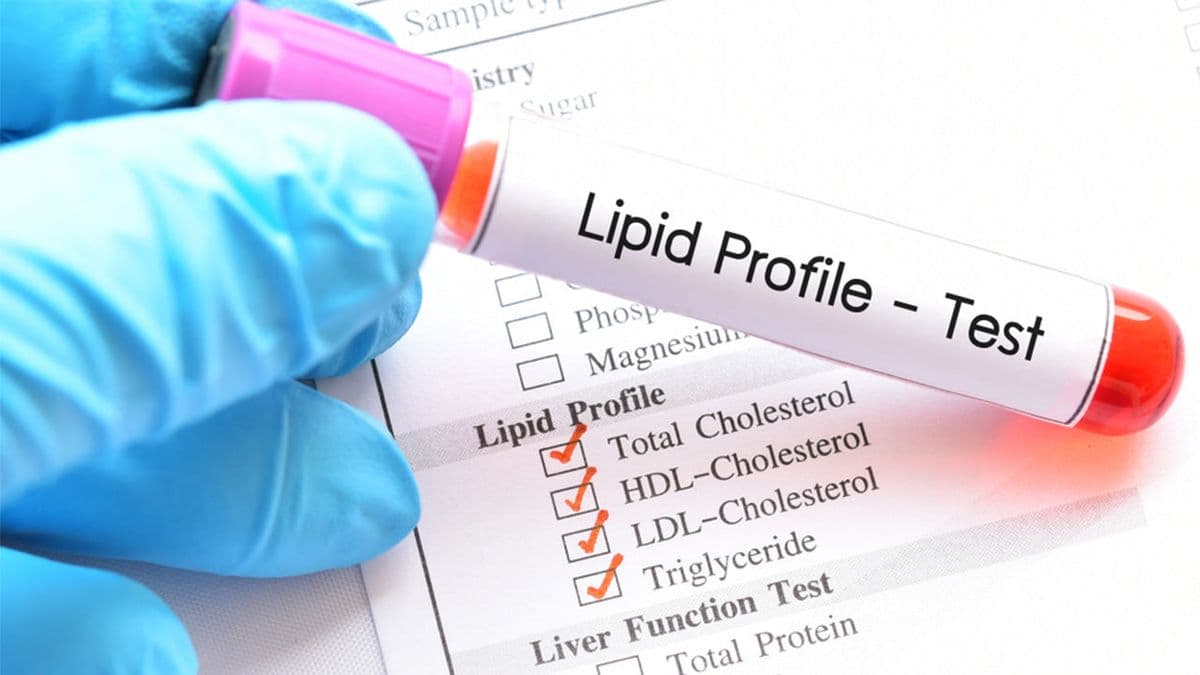
How to Understand Your Lipid Profile
A complete guide to reading and interpreting your lipid profile test results.
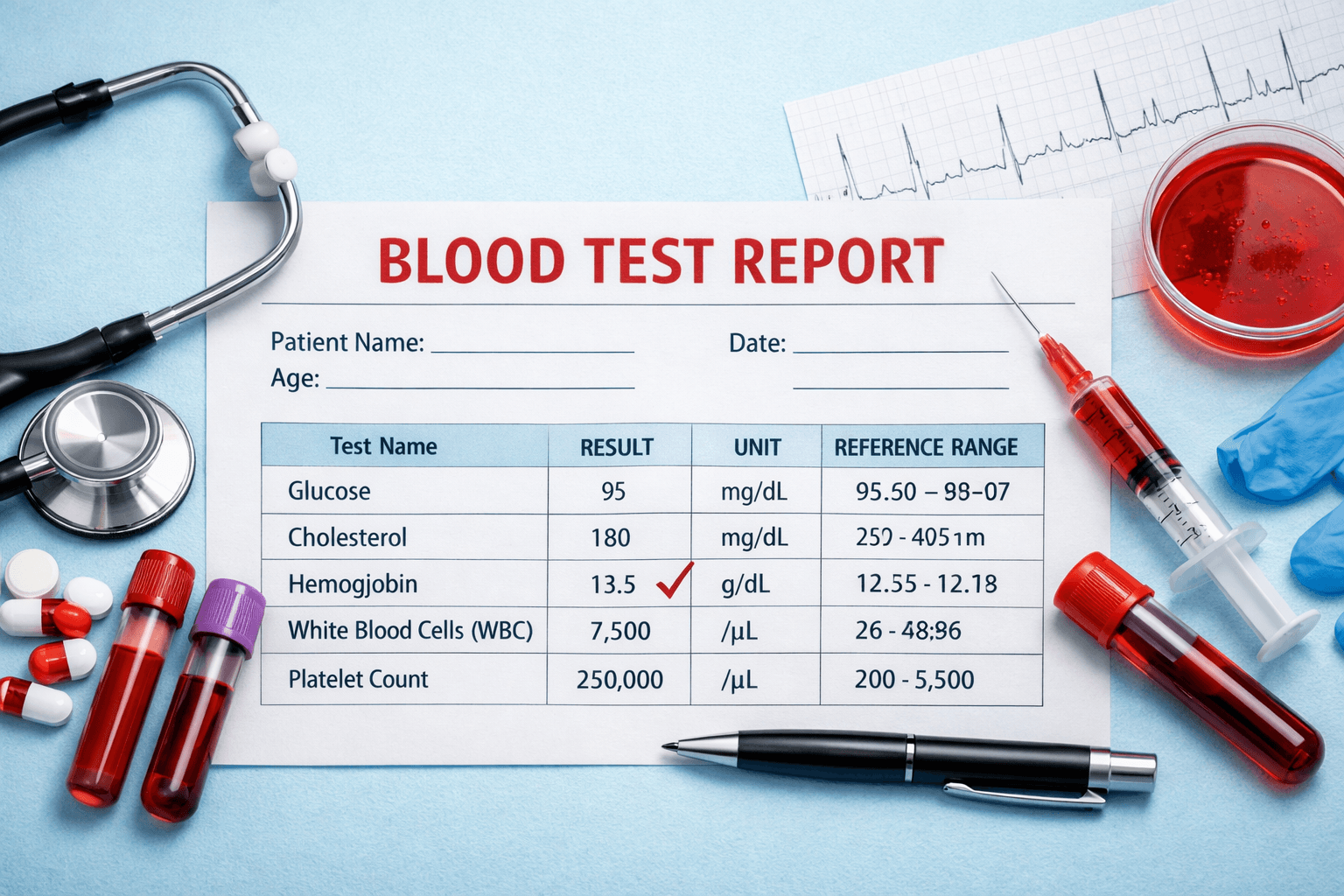
How to Read Your Blood Test Report
A beginner-friendly guide to understanding the numbers and abbreviations in your blood test results.