
How to Understand Your Lipid Profile
lab-reports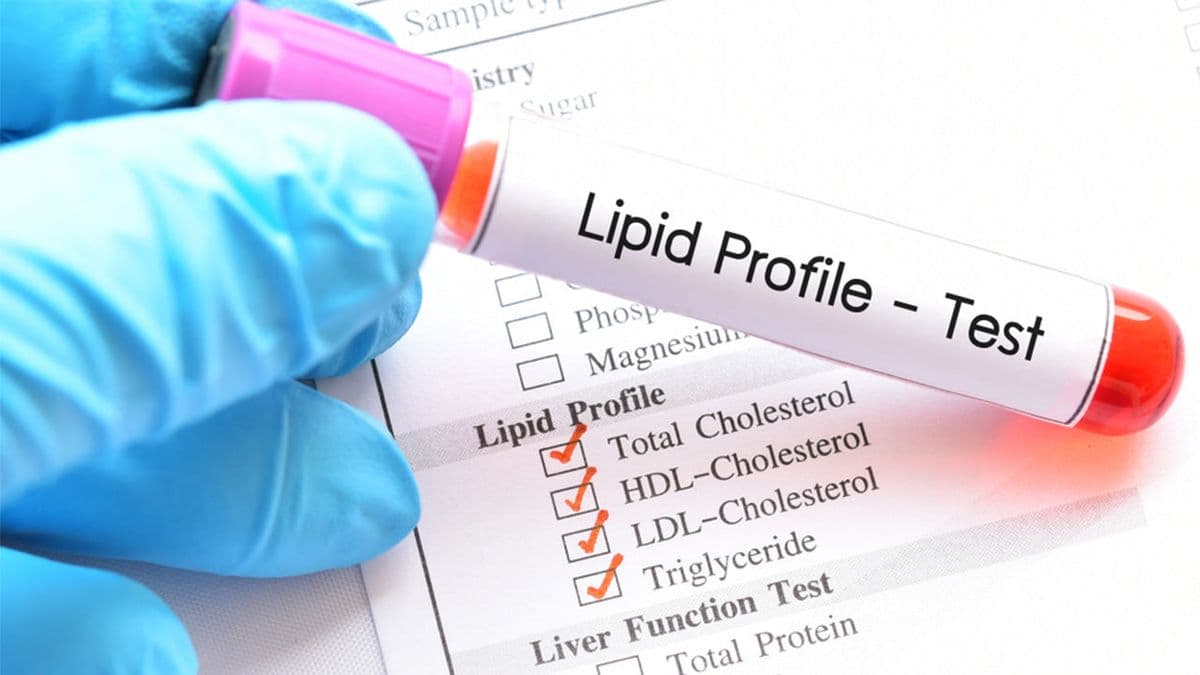
A complete guide to reading and interpreting your lipid profile test results.
What is a Lipid Profile Test?
A lipid profile is a blood test that measures the key fats in your blood: total cholesterol, LDL, HDL, and triglycerides.
It is one of the most important routine tests for assessing cardiovascular risk.
The test is typically done after a 912 hour fast to ensure accurate triglyceride measurement.
Results are given in mg/dL and are compared against established reference ranges.
Breaking Down Each Value
Total Cholesterol: The sum of all cholesterol in the blood. Desirable: <200 mg/dL. High: ≥240 mg/dL.
LDL (Bad Cholesterol): Carries cholesterol to arteries. Optimal: <100 mg/dL. High risk: >160 mg/dL.
HDL (Good Cholesterol): Removes cholesterol from arteries. Protective: >60 mg/dL. Risk factor: <40 (men), <50 (women).
Triglycerides: Blood fats from food and liver. Normal: <150 mg/dL. High: >200 mg/dL.
The LDL/HDL Ratio
The LDL/HDL ratio is a more useful risk indicator than individual values alone.
An LDL/HDL ratio below 2.5 is considered optimal; above 3.5 is associated with elevated cardiovascular risk.
Similarly, the Total Cholesterol/HDL ratio should ideally be below 4.0.
A high LDL combined with low HDL is the most dangerous lipid pattern for cardiovascular risk.
What Your Lipid Profile Can and Cannot Tell You
A lipid profile indicates your current blood fat levels but does not directly measure plaque in your arteries.
Advanced testing (LDL particle size, Apolipoprotein B, Lp(a)) can provide a more detailed risk picture.
A normal lipid profile does not rule out cardiovascular risk if you have other factors like high BP or diabetes.
Context, trends over time, and overall risk factor burden are all essential for accurate interpretation.
Taking Action on Your Results
If your LDL is above 130 mg/dL, start with dietary changes reduce saturated fat and increase fiber.
If HDL is low, increase aerobic exercise, quit smoking, and consider omega-3 supplementation.
Elevated triglycerides respond best to reducing sugar and alcohol and increasing exercise.
Track your lipid values over time using HeartView to see the direct impact of your lifestyle changes.
Frequently Asked Questions
A standard lipid profile includes total cholesterol, LDL (bad cholesterol), HDL (good cholesterol), and triglycerides. Some extended panels also include VLDL and non-HDL cholesterol.
People Also Ask
What is a non-fasting lipid profile?
A non-fasting lipid profile can be done without fasting and measures total cholesterol, HDL, and LDL (calculated). It is less accurate for triglycerides but convenient for screening.
Is LDL of 130 bad?
LDL of 130 mg/dL is classified as borderline high. For most adults, the goal is below 100 mg/dL. If you have heart disease, the target is below 70 mg/dL. Dietary changes are recommended at 130.
What is VLDL cholesterol?
VLDL (Very Low-Density Lipoprotein) mainly carries triglycerides. Elevated VLDL (above 30 mg/dL) contributes to plaque formation and is associated with metabolic syndrome.
Can exercise change lipid profile results?
Yes. Aerobic exercise raises HDL and can modestly lower LDL. Triglycerides are the lipid most rapidly lowered by exercise. You should avoid strenuous exercise 24 hours before a lipid test for accurate results.
Related Articles

LDL vs HDL Good vs Bad Cholesterol Explained
Understand the difference between LDL and HDL cholesterol and what your levels mean for your heart.
How to Read Your Blood Test Report
A beginner-friendly guide to understanding the numbers and abbreviations in your blood test results.

What is Triglycerides and Why It Matters
Understand triglycerides what they are, why high levels are dangerous, and how to lower them.