
How to Read Your Blood Test Report
lab-reports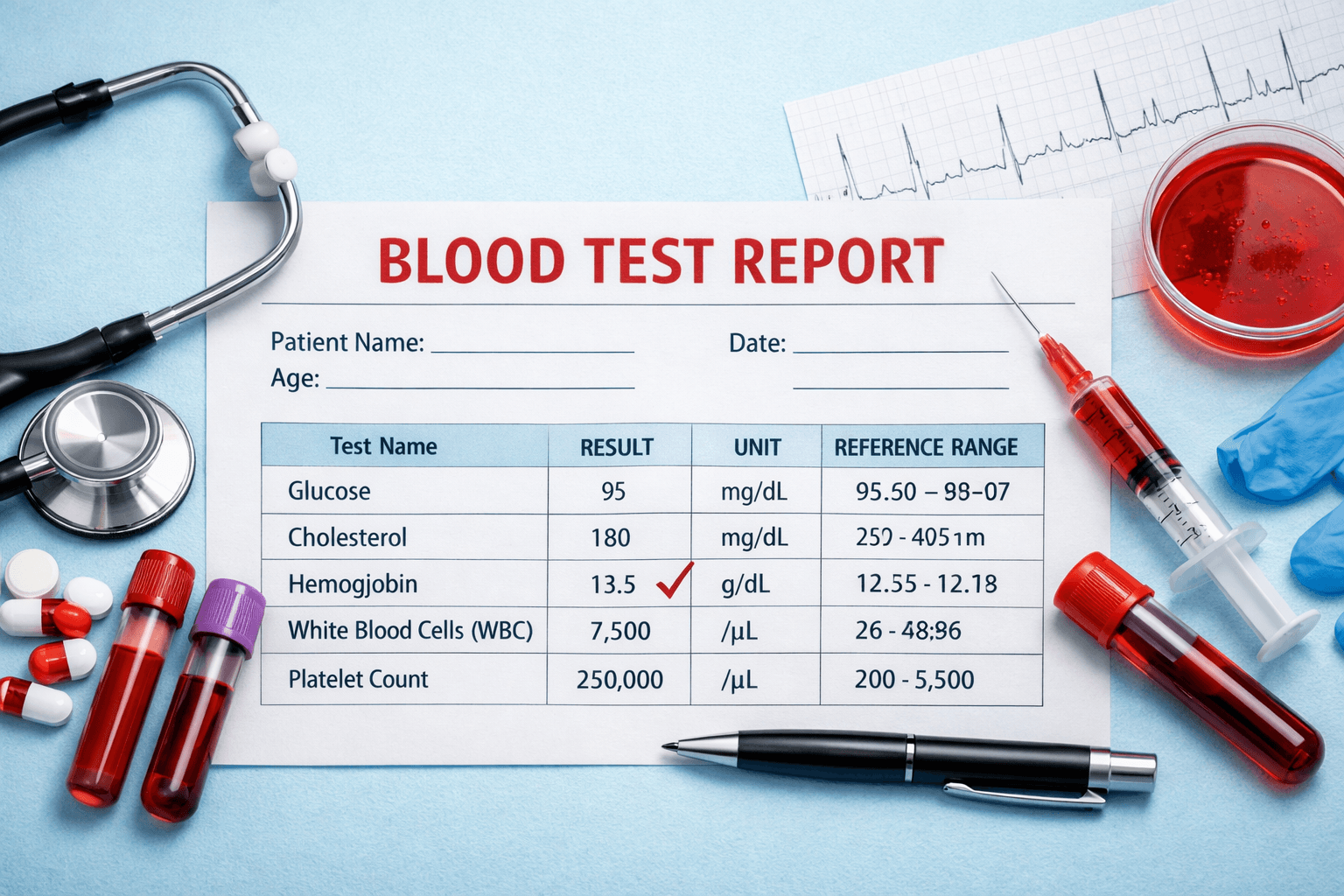
A beginner-friendly guide to understanding the numbers and abbreviations in your blood test results.
Why Understanding Your Report Matters
Blood test reports contain vital information about your health but most people cannot interpret them without help.
Being able to read your own results empowers you to have informed conversations with your doctor.
Early identification of borderline values even before symptoms appear enables proactive care.
This guide walks you through the most common sections of a standard blood test report.
Complete Blood Count (CBC)
The CBC measures red blood cells (RBC), white blood cells (WBC), hemoglobin, hematocrit, and platelets.
Low hemoglobin (below 12 g/dL in women, 13.5 g/dL in men) suggests anemia a cause of fatigue and breathlessness.
High WBC count may indicate infection or inflammation; low WBC may suggest immune suppression.
Platelet count below 150,000 or above 400,000 per microliter requires further evaluation.
Kidney and Liver Function Tests
Creatinine and BUN (blood urea nitrogen) reflect kidney function elevated values suggest impaired filtration.
Normal creatinine is 0.61.2 mg/dL for men and 0.51.1 mg/dL for women.
Liver enzymes (SGOT, SGPT, ALP) indicate liver health levels more than 3 times the upper normal suggest liver stress.
Bilirubin measures red blood cell breakdown elevated levels can indicate liver disease or hemolysis.
Blood Sugar and Lipid Values
Fasting glucose below 100 mg/dL is normal; 100125 is prediabetes; above 126 mg/dL suggests diabetes.
HbA1c below 5.7% is normal; 5.76.4% is prediabetes; 6.5% and above indicates diabetes.
Total cholesterol below 200 mg/dL is desirable; LDL below 100 is optimal; HDL above 60 is protective.
Triglycerides below 150 mg/dL is normal higher values are associated with metabolic syndrome.
Understanding Reference Ranges
Reference ranges are the values that 95% of healthy people fall within they are not absolute cutoffs.
A result slightly outside the reference range does not always mean disease context, symptoms, and trends matter.
Bring your past reports to each doctor visit to show trends over time a rising value, even within range, is informative.
Never self-diagnose based on lab values alone always discuss results with your doctor.
Frequently Asked Questions
For cardiovascular and metabolic health, the most important values are: hemoglobin, fasting glucose, HbA1c, LDL, HDL, triglycerides, creatinine, and liver enzymes (SGPT/SGOT).
People Also Ask
Can I do a blood test without fasting?
For a lipid profile and fasting glucose, fasting (912 hours) is required for accuracy. CBC, liver enzymes, kidney function, and HbA1c can generally be done without fasting.
What does a high WBC count mean?
A high white blood cell (WBC) count often indicates infection, inflammation, or immune system activation. Very high counts may suggest leukemia. Context, symptoms, and follow-up testing determine the cause.
What is creatinine and why is it important?
Creatinine is a waste product filtered by the kidneys. Elevated creatinine indicates reduced kidney function (GFR decline). It is one of the earliest measurable signs of kidney disease.
What blood tests should I get every year?
Annual tests recommended for adults: CBC, fasting glucose, HbA1c, complete lipid panel, creatinine, SGPT/SGOT, thyroid function (TSH), and vitamin D. Your doctor may add others based on your profile.
Related Articles

LDL vs HDL Good vs Bad Cholesterol Explained
Understand the difference between LDL and HDL cholesterol and what your levels mean for your heart.
How to Understand Your Lipid Profile
A complete guide to reading and interpreting your lipid profile test results.

What is Triglycerides and Why It Matters
Understand triglycerides what they are, why high levels are dangerous, and how to lower them.