
What is Normal BP Range by Age?
Blood Pressure
Learn what blood pressure levels are considered normal and how they vary by age group.
BP Basics What Do the Numbers Mean?
Blood pressure measures the force of blood pushing against the walls of your arteries as your heart pumps.
It is recorded as two numbers: systolic pressure (when the heart beats) over diastolic pressure (when the heart rests).
A normal BP reading for a healthy adult is approximately 120/80 mmHg.
Consistent readings above 130/80 mmHg are classified as hypertension, while readings below 90/60 mmHg indicate low blood pressure.
Normal BP Ranges by Age Group
Children aged 613 typically have BP around 90110/6070 mmHg, which is naturally lower than adults.
Teenagers (1418) have a normal range of approximately 110120/6080 mmHg.
Adults aged 1860 should aim for a BP below 120/80 mmHg; readings of 120129/<80 mmHg are considered elevated.
For adults over 60, slightly higher systolic values (up to 130 mmHg) may be acceptable depending on overall health.
BP Categories: Normal, Elevated, Hypertension
Normal: Systolic <120 mmHg and Diastolic <80 mmHg maintain this with a healthy lifestyle.
Elevated: Systolic 120129 and Diastolic <80 a warning sign; lifestyle changes recommended.
Stage 1 Hypertension: Systolic 130139 or Diastolic 8089 doctor consultation advised.
Stage 2 Hypertension: Systolic ≥140 or Diastolic ≥90 medication typically required alongside lifestyle changes.
Why BP Changes With Age
As we age, arteries naturally become stiffer and less flexible, which tends to raise systolic blood pressure.
Diastolic pressure typically peaks in middle age and may decrease after 60, leading to isolated systolic hypertension.
Hormonal changes, particularly in women after menopause, can also contribute to rising blood pressure.
Knowing age-appropriate BP targets helps your doctor tailor treatment and monitoring to your specific needs.
How to Track and Interpret Your BP
Always measure BP at rest, after 5 minutes of sitting quietly, avoiding caffeine or exercise in the prior 30 minutes.
Take two to three readings at different times of day to get an accurate average.
Home BP monitors are reliable and important tools log your readings consistently to share with your doctor.
HeartView allows you to track BP trends over time so you can see patterns and respond before problems escalate.
Frequently Asked Questions
A normal blood pressure for adults is below 120/80 mmHg. Readings of 120129/<80 are elevated, 130139/8089 is Stage 1 hypertension, and 140/90 or above is Stage 2 hypertension.
People Also Ask
Is 130/85 a normal blood pressure?
130/85 mmHg falls in the Stage 1 hypertension range (130139 systolic or 8089 diastolic). It is not immediately dangerous but warrants lifestyle changes and medical consultation.
Why does blood pressure increase with age?
Arteries naturally stiffen with age, reducing their elasticity. This increases resistance to blood flow, raising systolic pressure. Lifestyle factors like diet, activity, and weight also accumulate their effects over time.
What is pulse pressure and is it important?
Pulse pressure is the difference between systolic and diastolic BP. Normal is 40 mmHg. A wide pulse pressure (above 60) in older adults may indicate arterial stiffness and increased cardiovascular risk.
Can blood pressure vary throughout the day?
Yes. BP naturally follows a circadian rhythm it is lowest during sleep, rises in the morning, peaks in early evening, and drops again at night. Stress, exercise, meals, and caffeine also cause short-term variation.
Related Articles
How to Reduce High BP Naturally
Effective natural strategies to lower high blood pressure without relying solely on medication.
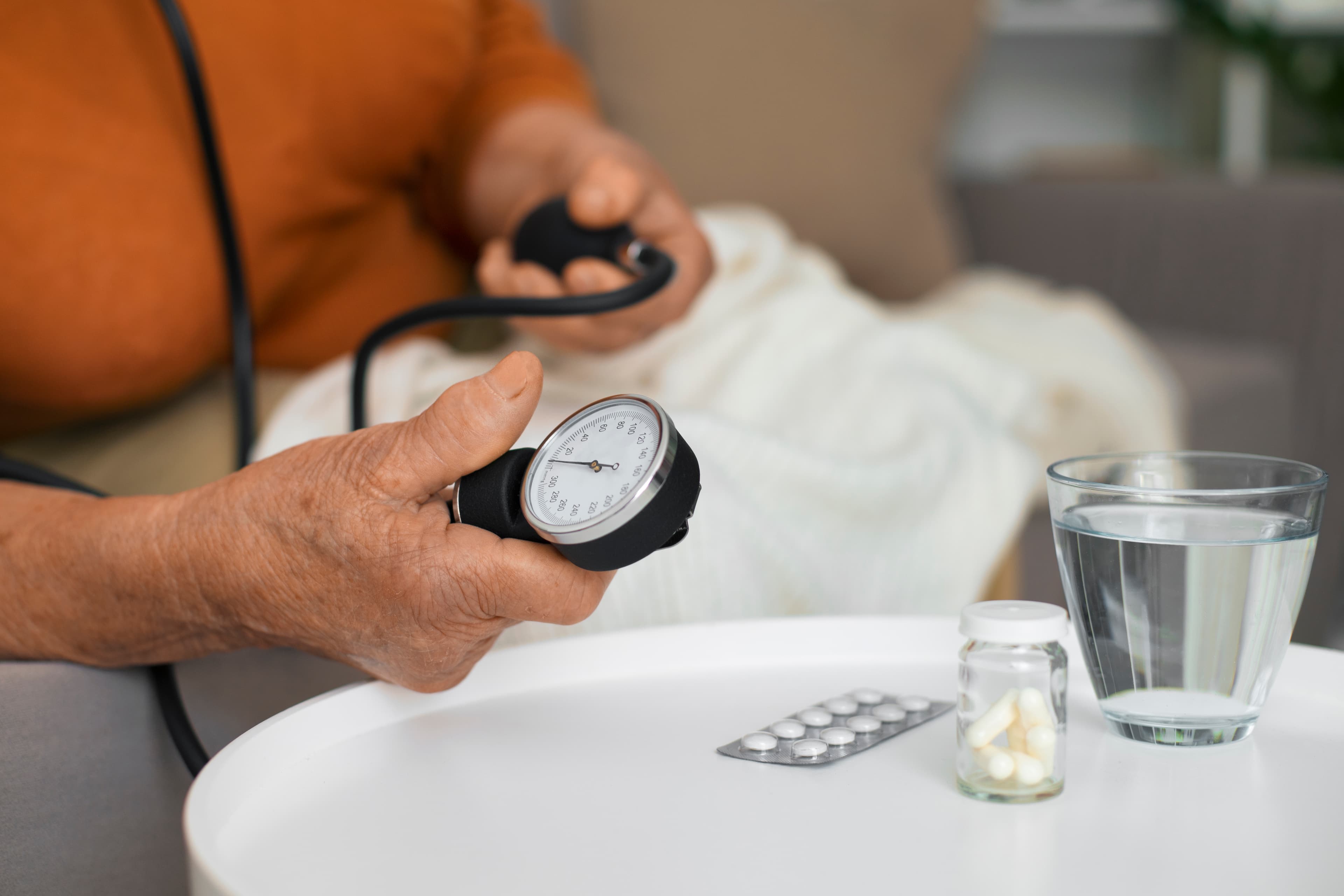
Causes of High Blood Pressure
Understand the common and hidden causes of hypertension to better prevent and manage it.
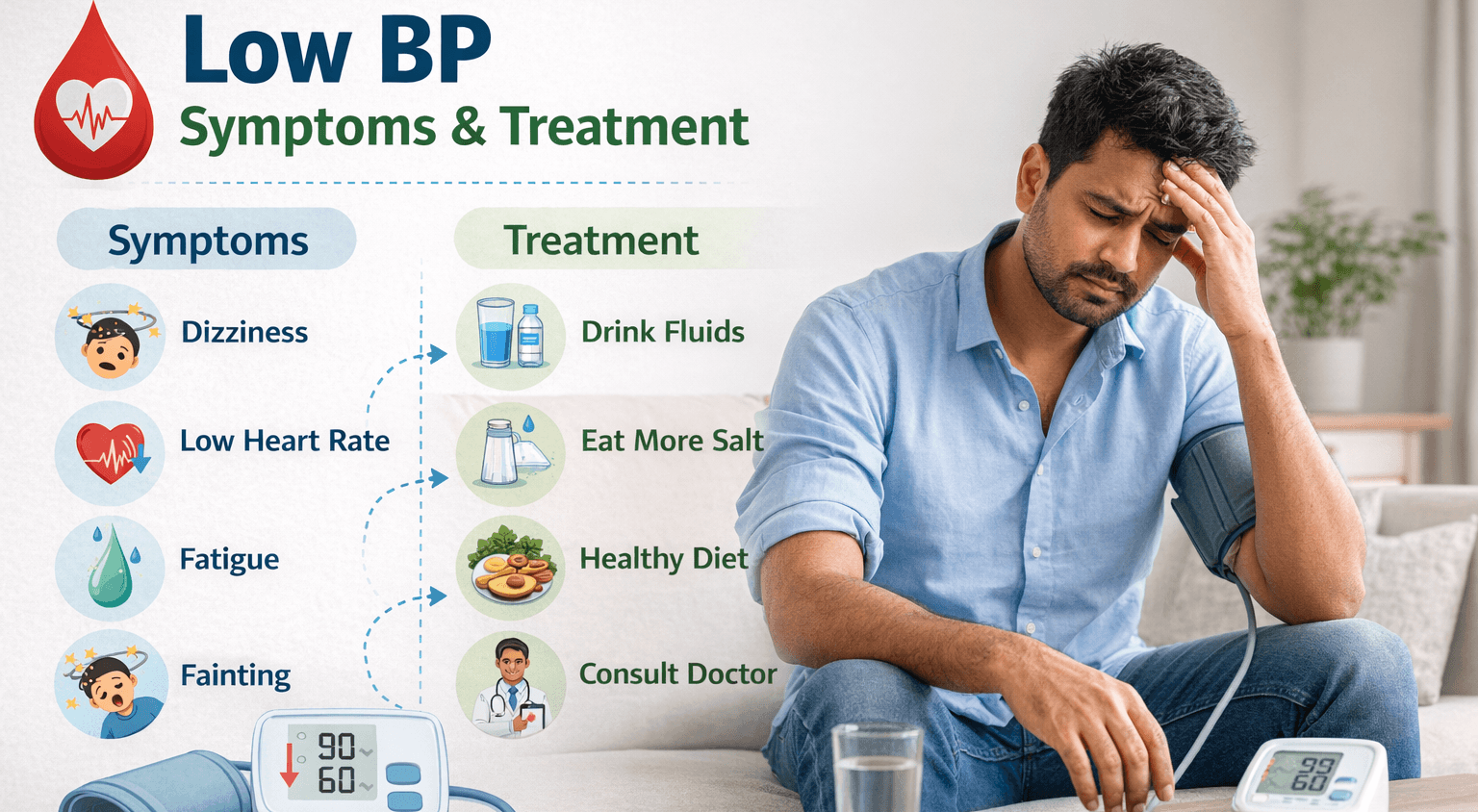
Low BP Symptoms and Treatment
Learn about hypotension its causes, symptoms, and how to treat it effectively.