
Causes of High Blood Pressure
Blood Pressure
Understand the common and hidden causes of hypertension to better prevent and manage it.
What Causes Hypertension?
High blood pressure can develop from a variety of causes some modifiable, some not.
Primary (essential) hypertension has no single identifiable cause and develops gradually over many years.
Secondary hypertension is caused by an underlying condition such as kidney disease, thyroid disorders, or hormonal imbalances.
Identifying the root cause is essential to choosing the right treatment approach.
Lifestyle Causes
A diet high in sodium is one of the most common triggers of hypertension processed and packaged foods are major culprits.
Physical inactivity allows the heart and blood vessels to become less efficient, raising baseline pressure.
Obesity increases the workload on the heart and is directly associated with elevated BP.
Excessive alcohol consumption raises blood pressure both acutely and chronically.
Medical and Genetic Causes
Chronic kidney disease reduces the kidneys' ability to regulate sodium and fluid, increasing blood volume and pressure.
Sleep apnea causes repeated drops in oxygen levels that stimulate blood pressure surges and long-term hypertension.
Adrenal gland tumors and thyroid disorders can disrupt hormone regulation and raise blood pressure.
A family history of hypertension increases your genetic risk making lifestyle awareness even more important.
Stress, Emotions, and Medications
Chronic psychological stress keeps the sympathetic nervous system activated, elevating heart rate and BP.
Certain medications including NSAIDs, oral contraceptives, decongestants, and stimulants can raise blood pressure.
Caffeine and energy drinks can spike BP temporarily, especially in non-habitual users.
Anger and emotional suppression have been linked to sustained hypertension in multiple studies.
Prevention and Awareness
Understanding your personal risk factors helps you take targeted preventive steps.
Regular BP monitoring especially if you have a family history is the first line of defense.
Inform your doctor of all medications and supplements you take, as they may affect BP readings.
Early identification and lifestyle modification can prevent the need for lifelong medication.
Frequently Asked Questions
Primary (essential) hypertension with no single identifiable cause accounts for 9095% of cases. It develops gradually due to a combination of genetics, diet (high sodium), physical inactivity, obesity, and aging.
People Also Ask
Can dehydration cause high blood pressure?
Dehydration actually tends to lower blood pressure initially, but the body compensates by constricting blood vessels, which can raise BP. Chronic dehydration is also linked to kidney dysfunction, a secondary cause of hypertension.
Is high blood pressure hereditary?
Yes. Having a parent or sibling with hypertension significantly raises your risk. However, genetics alone do not determine your fate lifestyle factors play an equally important role.
Can lack of sleep cause high blood pressure?
Yes. People who consistently sleep less than 6 hours per night have a 2032% higher risk of developing hypertension. Sleep deprivation activates the sympathetic nervous system, elevating heart rate and blood pressure.
Related Articles

How to Reduce High BP Naturally
Effective natural strategies to lower high blood pressure without relying solely on medication.
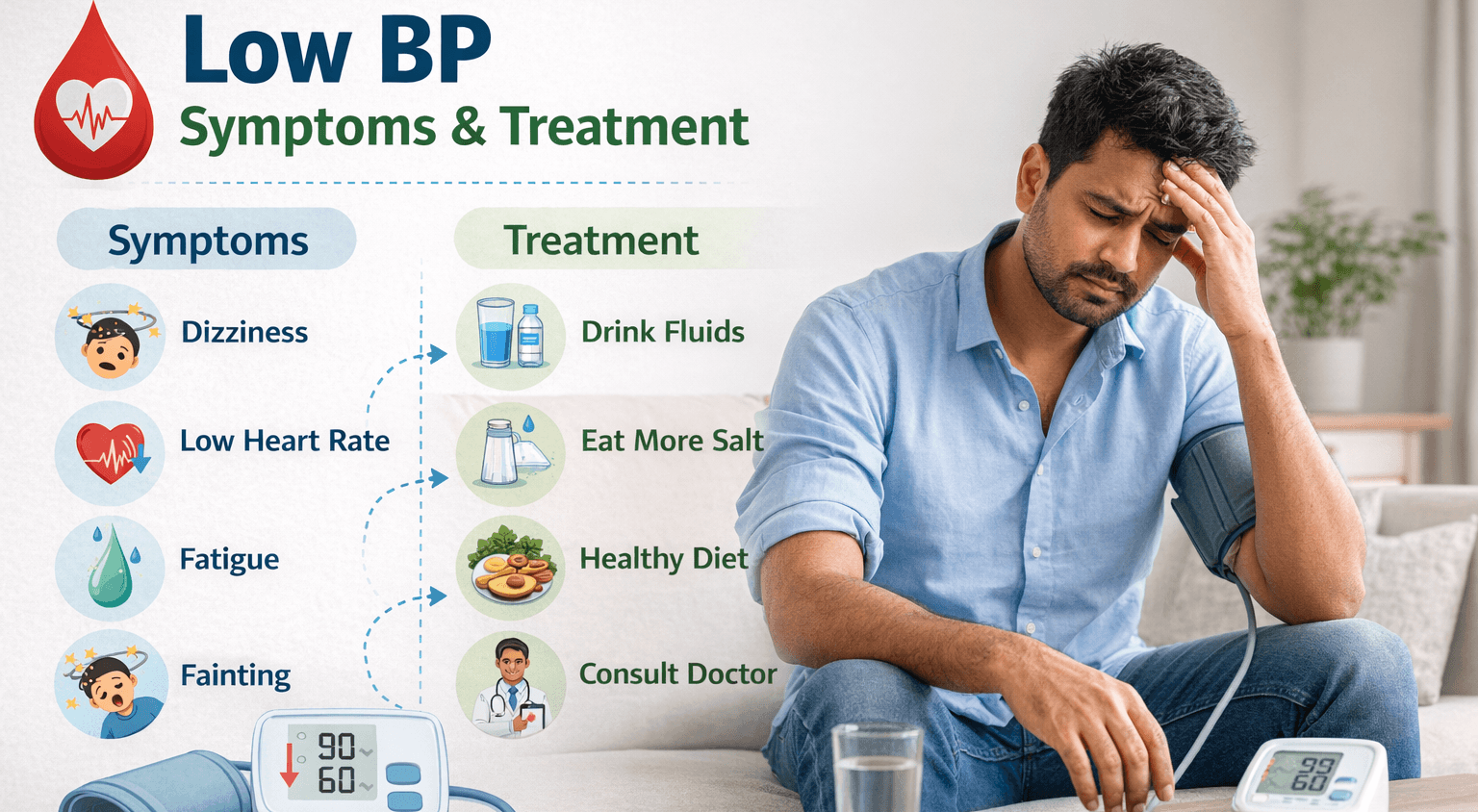
Low BP Symptoms and Treatment
Learn about hypotension its causes, symptoms, and how to treat it effectively.

Best Diet for BP Control
Discover the most effective dietary strategies to manage and control blood pressure naturally.