Technology reviewed by Dishant Chanchad, Chief Technology Officer
Published September 4, 202614 min read
Triglycerides are a type of fat found in your blood. Your body needs them for energy, but having too many triglycerides especially when they remain elevated over time—can be associated with a higher risk of cardiovascular disease and other metabolic health problems.
A triglyceride result is commonly included in a lipid panel, alongside total cholesterol, LDL cholesterol, and HDL cholesterol. However, many people see the number on their lab report without knowing what it actually means or what they should do about it.
The good news is that triglycerides can often improve with changes to diet, physical activity, weight management, alcohol intake, blood sugar control, and treatment of underlying conditions.
This guide explains what triglycerides are, what different levels mean, why triglycerides become elevated, how they affect heart health, and practical steps that can help bring them into a healthier range.
What Are Triglycerides?
Triglycerides are the main form of fat stored in the body.
When you eat, your body breaks down calories from food and uses what it needs immediately for energy. Extra calories can be converted into triglycerides and stored inside fat cells. Later, hormones can signal the body to release these stored triglycerides when energy is needed.
Triglycerides are therefore not inherently harmful. They are an important energy-storage system.
The concern arises when blood triglyceride levels become persistently elevated.
High triglycerides can occur on their own, but they frequently appear alongside other metabolic changes such as:
High LDL cholesterol
Low HDL cholesterol
Insulin resistance
Prediabetes or diabetes
Excess abdominal weight
High blood pressure
Fatty liver disease
This combination can indicate a broader metabolic health problem rather than an isolated cholesterol issue.
What Is a Normal Triglyceride Level?
Triglyceride levels are usually reported in mg/dL in the United States and many other countries.
For adults, commonly used categories are:
Triglyceride Level
Category
Below 150 mg/dL
Normal
150–199 mg/dL
Borderline high
200–499 mg/dL
High
500 mg/dL or higher
Very high
These categories help healthcare professionals interpret your result, but one number should not be considered in isolation.
Your overall cardiovascular risk also depends on factors such as age, blood pressure, LDL cholesterol, diabetes status, smoking, family history, kidney health, and other medical conditions.
A triglyceride level of 160 mg/dL, for example, is very different from a level of 600 mg/dL. The higher the concentration, the more important it becomes to identify the underlying cause and determine whether treatment is needed.
Why Do Triglycerides Become High?
There are many possible reasons for elevated triglycerides.
Sometimes the cause is straightforward, such as a diet high in refined carbohydrates or regular heavy alcohol consumption. In other situations, high triglycerides may be related to genetics, medications, diabetes, thyroid problems, kidney disease, or other conditions.
1. Excess Calories
Eating more calories than your body needs can increase triglyceride production.
This is particularly relevant when excess calories come from foods and drinks containing large amounts of:
Added sugar
Refined carbohydrates
Alcohol
Saturated fats
Highly processed foods
The body can convert excess carbohydrate calories into triglycerides, particularly when overall calorie intake is high.
2. Added Sugars and Refined Carbohydrates
Foods containing large amounts of added sugar can contribute to higher triglycerides.
Examples include:
Soft drinks
Sweetened tea and coffee
Energy drinks
Candy
Cakes
Cookies
Desserts
Sweetened breakfast cereals
Some packaged snacks
Refined carbohydrates such as white bread, pastries, and many highly processed grain products may also contribute when consumed frequently and in large amounts.
This does not mean carbohydrates are automatically unhealthy. Whole grains, vegetables, beans, lentils, fruits, and other minimally processed carbohydrate sources can be part of a heart-healthy diet.
The bigger concern is the overall pattern and quantity.
3. Alcohol
Alcohol can raise triglycerides, sometimes substantially.
Your liver processes alcohol and can increase triglyceride production as part of that process. The effect can be particularly noticeable in people who already have elevated triglycerides.
For someone with significantly high triglycerides, reducing or avoiding alcohol may be an important part of management.
If your triglycerides are very high, discuss alcohol intake with your healthcare professional rather than assuming that moderate consumption is harmless for your particular situation.
4. Overweight and Abdominal Fat
Excess body fat, particularly around the abdomen, is associated with higher triglycerides and insulin resistance.
When insulin does not work effectively, the body may have difficulty handling glucose and fats normally. This metabolic environment can contribute to elevated triglycerides.
Even modest, sustainable weight loss can improve triglyceride levels in people who have excess weight.
The goal should not be rapid or extreme dieting. Consistent improvements in eating patterns, physical activity, sleep, and overall calorie balance are generally more sustainable.
5. Prediabetes and Diabetes
Blood sugar and triglycerides are closely connected.
When blood glucose remains elevated or insulin resistance develops, the liver can produce more triglyceride-rich particles.
This is one reason elevated triglycerides can sometimes be a clue that broader metabolic health deserves attention.
If triglycerides are high, your healthcare professional may consider other measurements such as:
Fasting glucose
HbA1c
Blood pressure
Waist circumference
HDL cholesterol
LDL cholesterol
Looking at these values together can provide a more complete picture.
6. Genetics
Some people inherit a tendency toward high triglycerides.
Genetic conditions can cause triglycerides to become extremely elevated, sometimes even when a person follows a relatively healthy lifestyle.
A family history of very high triglycerides, pancreatitis, or unusually early cardiovascular disease may make genetic factors more important to consider.
If several close relatives have significantly abnormal lipid levels, tell your healthcare professional.
7. Certain Medications
Some medications can affect triglyceride levels.
Depending on the medication and individual circumstances, examples may include certain:
Steroids
Diuretics
Beta-blockers
Estrogen-containing medications
HIV medications
Immunosuppressive medications
Antipsychotic medications
Never stop a prescribed medication simply because you think it may be increasing your triglycerides.
Instead, discuss the result with the prescribing healthcare professional. There may be alternative medications, dosage adjustments, or other ways to manage the situation.
8. Other Medical Conditions
High triglycerides can sometimes occur with:
Hypothyroidism
Kidney disease
Liver disease
Obesity
Metabolic syndrome
Poorly controlled diabetes
Certain autoimmune or inflammatory conditions
This is why treating the underlying cause can sometimes be just as important as treating the triglyceride number itself.
How Do High Triglycerides Affect Heart Health?
The relationship between triglycerides and cardiovascular disease is more complicated than simply saying “high triglycerides cause heart attacks.”
Triglyceride-rich particles can contribute to the development of atherosclerosis, the buildup of fatty material within artery walls.
High triglycerides also frequently occur together with other risk factors, including:
High LDL cholesterol
Low HDL cholesterol
Insulin resistance
High blood pressure
Obesity
Diabetes
This combination can create a higher-risk cardiovascular profile.
Researchers also study triglyceride-rich lipoprotein remnants because these particles may contribute to plaque development and inflammation within arteries.
Therefore, when triglycerides are elevated, the goal is not simply to lower one laboratory number. The broader objective is to improve overall cardiovascular and metabolic health.
Can High Triglycerides Cause Symptoms?
Usually, no.
Most people with elevated triglycerides do not feel anything unusual.
That is why a lipid panel can be valuable even when you feel healthy.
Moderately high triglycerides may remain unnoticed for years.
Very high triglycerides, however, can become a medical concern because extremely elevated levels increase the risk of acute pancreatitis, a potentially serious inflammation of the pancreas.
Symptoms of pancreatitis can include:
Severe upper abdominal pain
Pain that may spread toward the back
Nausea or vomiting
Abdominal tenderness
Fever in some cases
Severe or sudden abdominal pain should be evaluated urgently.
Why Does a Triglyceride Test Sometimes Require Fasting?
Whether you need to fast depends on the reason for testing and your healthcare professional's instructions.
Triglycerides can temporarily increase after eating because the bloodstream contains particles carrying recently absorbed fat.
A non-fasting lipid panel can still provide useful information, and many routine lipid assessments do not necessarily require fasting.
However, fasting testing may be useful in certain circumstances, particularly when:
Triglycerides are unexpectedly high
A previous result was significantly elevated
Your clinician wants a more standardized measurement
You are being evaluated for a lipid disorder
There is concern about very high triglycerides
If your laboratory specifically instructs you to fast, follow its instructions rather than assuming that water, coffee, or food is acceptable.
What Can Lower Triglycerides Naturally?
Lifestyle changes can make a meaningful difference for many people.
The best strategy depends on why your triglycerides are elevated.
1. Reduce Added Sugar
Start by looking at beverages and foods that provide a lot of sugar without much nutritional value.
Consider reducing:
Sugary drinks
Sweetened coffee
Desserts
Candy
Packaged sweets
Large portions of refined carbohydrates
Replacing sugary drinks with water or unsweetened beverages can be a simple starting point.
2. Choose More Fiber-Rich Foods
Fiber can support healthier cholesterol and triglyceride metabolism while helping with fullness and overall dietary quality.
Good sources include:
Oats
Barley
Beans
Lentils
Vegetables
Fruits
Nuts
Seeds
Whole grains
A heart-healthy eating pattern generally emphasizes minimally processed foods rather than focusing on one “superfood.”
3. Choose Healthier Fats
Not all dietary fats affect health in the same way.
Consider emphasizing unsaturated fats from foods such as:
Nuts
Seeds
Avocado
Olive oil
Fatty fish
At the same time, reduce frequent consumption of foods high in saturated fat, particularly when they replace healthier unsaturated-fat sources.
4. Eat More Omega-3-Rich Fish
Fatty fish such as salmon, sardines, trout, and mackerel provide omega-3 fatty acids.
Omega-3 fatty acids can have triglyceride-lowering effects, particularly at therapeutic doses.
However, prescription-strength omega-3 medications are different from casually taking an over-the-counter supplement.
If your triglycerides are very high, speak with a healthcare professional before choosing a supplement or treatment.
5. Exercise Regularly
Physical activity can improve triglycerides, insulin sensitivity, weight management, and cardiovascular fitness.
You do not need to begin with intense workouts.
Useful activities include:
Brisk walking
Cycling
Swimming
Jogging
Strength training
Dancing
Recreational sports
Consistency is usually more important than trying to complete an extreme workout occasionally.
6. Work Toward a Healthy Weight
If you have excess weight, even moderate weight loss may improve triglycerides and other metabolic markers.
Rather than using extreme diets, focus on sustainable changes such as:
Smaller portions
More vegetables
More fiber
Fewer sugary drinks
Regular physical activity
Adequate sleep
Consistent meal patterns
The goal is to create habits you can maintain.
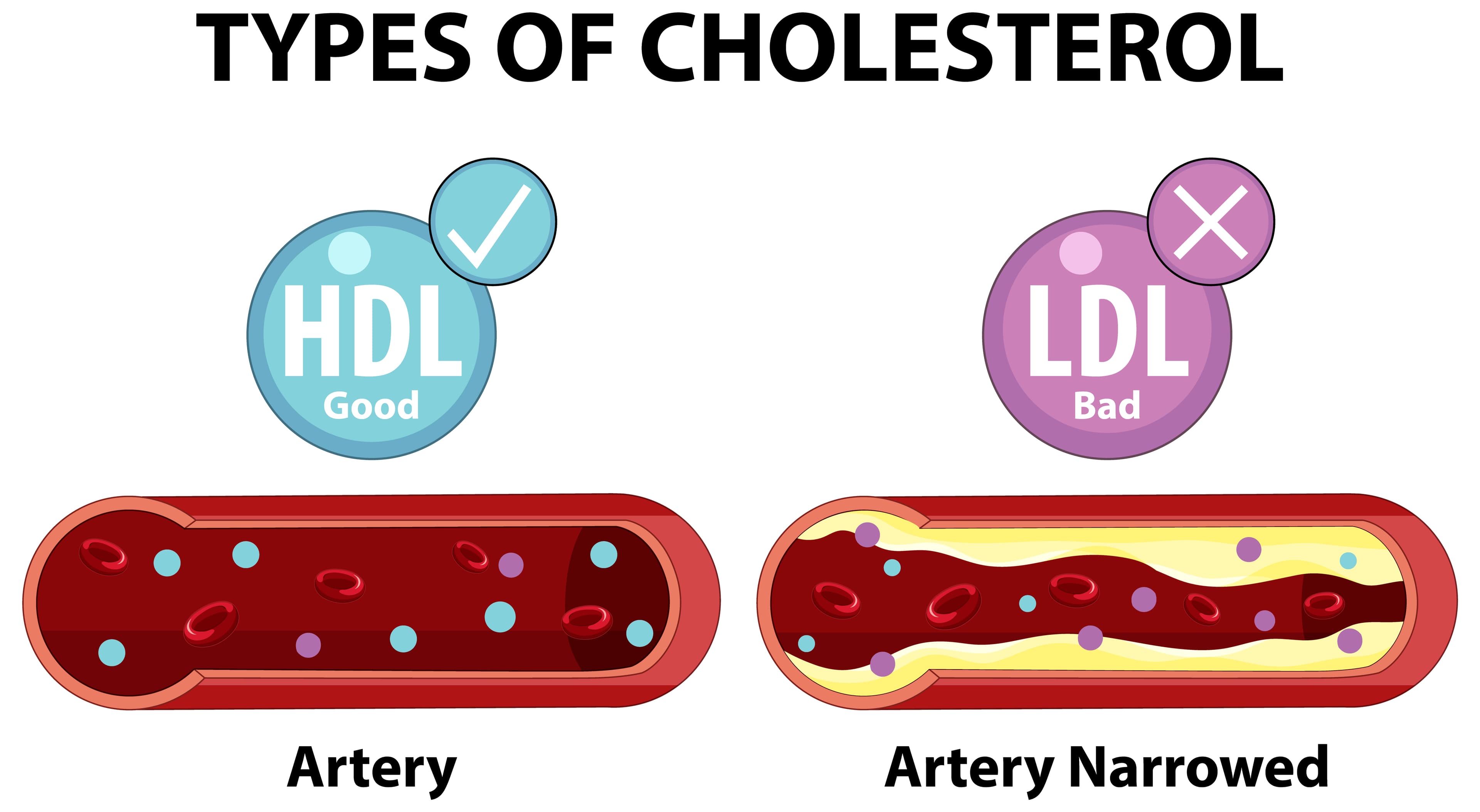
What About HDL and LDL?
Triglycerides should not be interpreted separately from the rest of your lipid panel.
A typical lipid panel may include:
Test
What It Represents
Total cholesterol
Overall amount of cholesterol in the blood
LDL cholesterol
A major cholesterol-containing lipoprotein associated with atherosclerotic risk
HDL cholesterol
A cholesterol-transporting lipoprotein involved in reverse cholesterol transport
Triglycerides
A major form of circulating fat
A person can have normal triglycerides but elevated LDL.
Another person may have elevated triglycerides, low HDL, and relatively normal LDL.
These patterns can represent different cardiovascular risk profiles.
Your healthcare professional may therefore evaluate the complete lipid pattern rather than focusing on a single result.
Can Triglycerides Go Down Quickly?
Sometimes.
Triglycerides can respond relatively quickly to changes in diet, alcohol intake, blood sugar control, physical activity, and weight.
However, the timeline varies considerably.
For some people, improvement may become visible within several weeks. For others, especially when genetics, medications, diabetes, or another medical condition contributes, additional evaluation or treatment may be necessary.
If you are making lifestyle changes, repeating a lipid panel after an appropriate interval can help determine whether the changes are working.
What If Triglycerides Are 500 or Higher?
A triglyceride level of 500 mg/dL or higher is considered very high.
At these levels, the concern is not only long-term cardiovascular risk. Very high triglycerides can increase the risk of acute pancreatitis.
The appropriate response depends on the cause and the exact level.
Your healthcare professional may recommend:
Reviewing your diet
Avoiding alcohol
Checking blood glucose
Reviewing medications
Evaluating thyroid or other medical conditions
Repeating the lipid panel
Prescription treatment when appropriate
Extremely high triglycerides require medical attention rather than relying only on lifestyle changes.
Should You Take Medication for High Triglycerides?
Not everyone with elevated triglycerides needs medication.
Treatment depends on factors such as:
Triglyceride level
LDL cholesterol
Cardiovascular disease history
Diabetes
Overall cardiovascular risk
Risk of pancreatitis
Other medical conditions
Genetic factors
For some people, the primary treatment focus may be LDL cholesterol and overall cardiovascular risk.
For others with very high triglycerides, triglyceride-lowering medication may become particularly important.
Do not start or stop lipid-lowering medication without discussing it with your healthcare professional.
Triglycerides and Heart Health: The Bigger Picture
A healthy triglyceride level is only one part of cardiovascular prevention.
A stronger strategy combines multiple areas:
Eat for cardiovascular health
Prioritize vegetables, fruits, whole grains, beans, nuts, seeds, fish, and healthier fats while limiting highly processed foods and added sugars.
Stay physically active
Aim for regular aerobic activity and include strength training when appropriate.
Maintain a healthy weight
If weight loss is appropriate for you, gradual and sustainable progress can improve several cardiovascular risk factors.
Control blood pressure
High blood pressure and high triglycerides can occur together and should both be addressed.
Manage blood sugar
Prediabetes and diabetes can contribute to elevated triglycerides.
Avoid smoking
Smoking damages blood vessels and substantially increases cardiovascular risk.
Sleep consistently
Poor sleep can affect metabolism, appetite, blood pressure, and cardiovascular health.
Limit alcohol
Alcohol can raise triglycerides, particularly in people who are already prone to high levels.
A Simple Triglyceride-Friendly Day
A practical day might look like this:
Breakfast: Oatmeal with berries, nuts, and unsweetened yogurt.
Lunch: Lentils or beans with vegetables and a whole-grain serving.
Snack: Fruit with a small handful of nuts.
Dinner: Grilled fish, vegetables, and a moderate portion of whole grains or legumes.
Drinks: Water, unsweetened tea, or another low-sugar beverage.
Movement: A brisk walk after one or more meals plus regular activity throughout the day.
The exact foods can vary according to culture, preferences, budget, and medical needs. A heart-healthy diet does not need to look identical for everyone.
Common Mistakes People Make About Triglycerides
Mistake 1: Focusing Only on Cholesterol
Triglycerides are part of the lipid picture, but LDL and other risk factors also matter.
Mistake 2: Assuming “Low Fat” Automatically Means Healthy
A low-fat product can still contain substantial added sugar or refined carbohydrates.
Mistake 3: Ignoring Alcohol
Even when food choices are relatively healthy, alcohol can significantly affect triglycerides in some people.
Mistake 4: Making Extreme Dietary Changes
Extreme restrictions may be difficult to sustain and are not always necessary.
Mistake 5: Ignoring Blood Sugar
High triglycerides can occur alongside insulin resistance or diabetes.
Mistake 6: Stopping Medication Without Advice
If triglycerides improve, that does not automatically mean prescribed medication should be stopped.
When Should You Talk to a Healthcare Professional?
Consider discussing your triglyceride result with a healthcare professional if:
Your triglycerides are consistently above the normal range
Your level is 200 mg/dL or higher
Your triglycerides are 500 mg/dL or higher
You have diabetes or prediabetes
You have high LDL cholesterol
You have a strong family history of abnormal cholesterol
You have cardiovascular disease
You take medications that may affect lipid levels
Your triglycerides suddenly increased without an obvious explanation
If you have severe abdominal pain, especially with nausea or vomiting, seek urgent medical evaluation because very high triglycerides can be associated with pancreatitis.
A Practical 5-Step Plan for Healthier Triglycerides
If your triglycerides are elevated, start with these five steps:
1. Review your diet Reduce added sugar, refined carbohydrates, highly processed foods, and excessive calories.
2. Look at alcohol intake If triglycerides are high, reducing or avoiding alcohol may be particularly helpful.
3. Move consistently Build regular walking, aerobic activity, and strength training into your week.
4. Check related health markers Ask whether blood glucose, HbA1c, blood pressure, LDL, HDL, and other metabolic factors should also be evaluated.
5. Follow up Repeat testing when your healthcare professional recommends it and use the results to guide the next step.
The Bottom Line
Triglycerides are an important part of your lipid profile and can provide clues about cardiovascular and metabolic health.
Mildly elevated triglycerides are common and can often improve through sustainable lifestyle changes such as reducing added sugar, increasing physical activity, improving dietary quality, managing weight, and limiting alcohol.
However, very high triglycerides require greater attention because they can increase the risk of pancreatitis.
The most useful approach is to look beyond one laboratory number. Triglycerides should be considered alongside LDL cholesterol, HDL cholesterol, blood pressure, blood sugar, family history, lifestyle, medications, and overall cardiovascular risk.
If your triglycerides are elevated, don't panic—but don't ignore the result either. Use it as an opportunity to understand your overall metabolic health and make practical changes that support your heart for the long term.
Medical Disclaimer: This article is intended for general educational and informational purposes only. It does not replace personalized medical advice, diagnosis, or treatment from a qualified healthcare professional. Laboratory reference ranges and treatment recommendations may vary depending on the laboratory, individual health history, medications, and clinical circumstances. If you have significantly elevated triglycerides, symptoms of pancreatitis, cardiovascular symptoms, or concerns about your test results, consult a qualified healthcare professional.
This article is for general information only and is not a substitute for professional medical advice, diagnosis or treatment. Read our Medical Disclaimer.
Frequently Asked Questions
Excess added sugar and refined carbohydrates can contribute to elevated triglycerides, particularly when overall calorie intake is high or insulin resistance is present.
Yes. Alcohol can raise triglycerides, and the effect can be substantial in some people.
Yes. For people with overweight or obesity, gradual weight loss can improve triglycerides and several other metabolic risk factors.
Not necessarily. Healthy unsaturated fats can be part of a heart-healthy eating pattern. The appropriate balance depends on your overall diet and health profile.
Very high triglyceride levels can increase the risk of acute pancreatitis. If triglycerides are extremely elevated, medical evaluation is important.
The appropriate testing interval depends on your age, health history, previous results, medications, and cardiovascular risk. Your healthcare professional can recommend an appropriate schedule.
Common Questions About Cholesterol
Are triglycerides the same as cholesterol?
No. Triglycerides and cholesterol are different types of lipids. Triglycerides are primarily involved in storing and transporting energy, while cholesterol is used for cell membranes, hormones, and other functions.
Is a triglyceride level of 150 dangerous?
A level around 150 mg/dL is near the threshold between normal and borderline-high categories. It should be interpreted alongside your other lipid results and overall cardiovascular risk.
Can walking lower triglycerides?
Regular physical activity, including brisk walking, can support lower triglycerides and improve cardiovascular and metabolic health. Consistency matters.
Can high triglycerides cause a heart attack?
High triglycerides are associated with cardiovascular risk, particularly when combined with other risk factors. However, cardiovascular risk cannot be determined from the triglyceride number alone.