Technology reviewed by Dishant Chanchad, Chief Technology Officer
Published August 14, 2026Updated September 4, 202612 min read
Whether diet alone can meaningfully lower cholesterol is one of the most common questions people ask after seeing a borderline lipid panel.
Can You Lower Cholesterol Through Diet Alone?
Seeing a high cholesterol result on a blood test often leads to a simple question: Can I lower my cholesterol just by changing what I eat?
For many people, the answer is yes—but there are important limits.
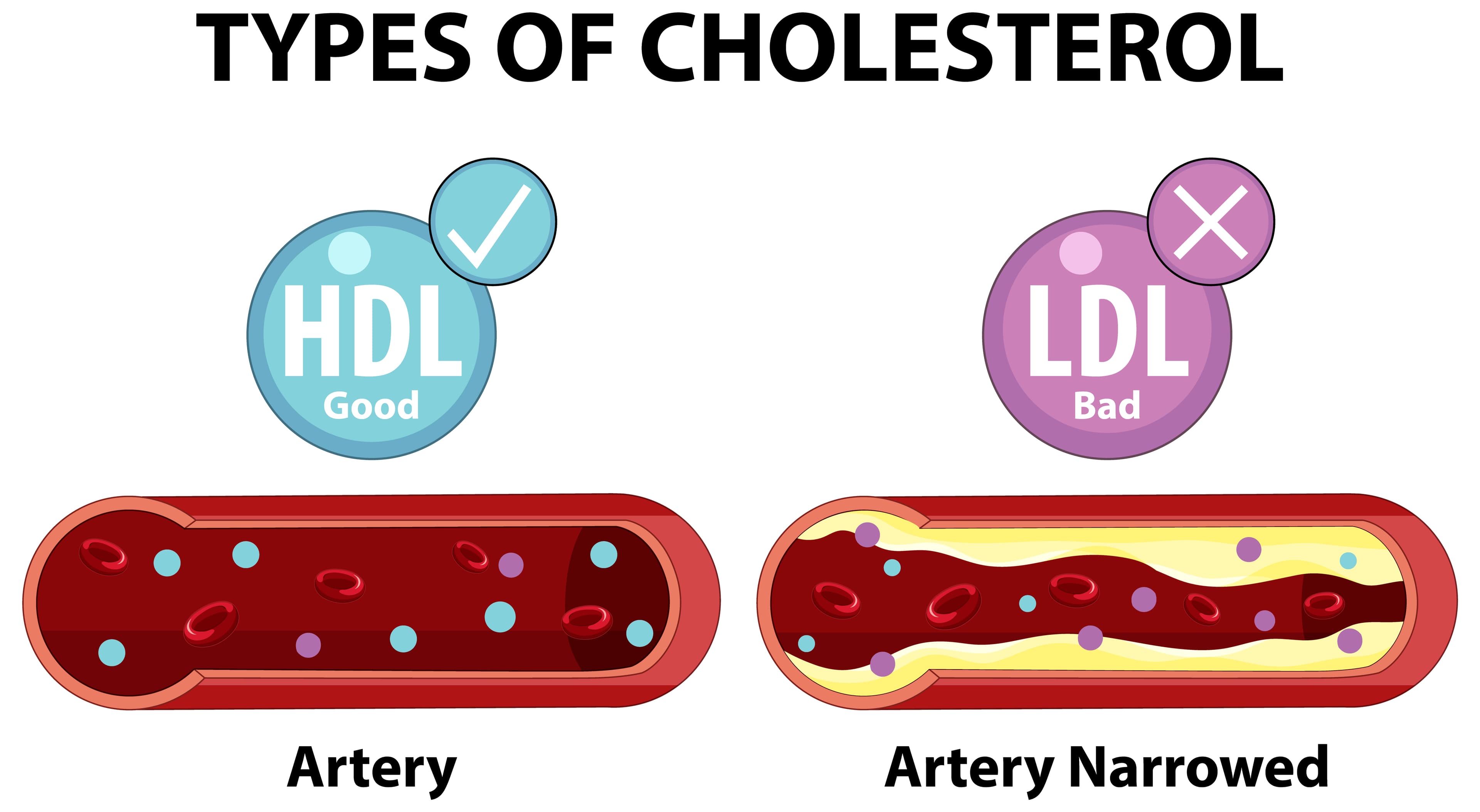
Diet can make a meaningful difference, particularly to LDL cholesterol, the type most strongly associated with plaque buildup in the arteries. However, the amount of improvement varies considerably from person to person. Your starting cholesterol level, genetics, overall health, body weight, activity level, and consistency with dietary changes all influence the result.
A few small changes may produce only a modest improvement. A comprehensive, evidence-based dietary pattern can have a substantially larger effect.
For people whose cholesterol is elevated mainly because of lifestyle factors, diet may sometimes be enough to produce a meaningful improvement. For people with very high LDL cholesterol, inherited cholesterol disorders, diabetes, established cardiovascular disease, or other significant risk factors, diet alone may not provide enough protection.
The goal is therefore not simply to ask whether diet can lower cholesterol. The more useful question is:
How much can diet lower cholesterol in your situation, and is that reduction enough for your cardiovascular risk?
How Much Can Diet Realistically Lower Cholesterol?
Structured dietary interventions can produce measurable changes in cholesterol.
Research suggests that comprehensive dietary changes can often reduce LDL cholesterol by roughly 10–20%, although individual responses vary. Some people may experience smaller changes, while carefully designed dietary approaches combining several cholesterol-lowering strategies can produce larger reductions.
This distinction is important.
There is a major difference between:
Occasionally eating healthier
Reducing a few unhealthy foods
Following a consistent cholesterol-lowering eating pattern
The larger improvements generally come from addressing several dietary factors simultaneously.
For example, someone might:
Replace butter with unsaturated fats
Reduce fatty and processed meats
Increase oats and legumes
Eat more vegetables and fruit
Add nuts and seeds
Choose fish more frequently
Increase soluble fiber
Reduce highly processed foods
Together, these changes can have a much greater effect than focusing on a single food.
Why Your Starting LDL Matters
If your LDL is only mildly elevated, a 10–20% reduction may make a noticeable difference.
For example, an LDL level of 150 mg/dL could theoretically fall by approximately 15–30 mg/dL with a substantial response to dietary changes.
However, someone with an LDL of 220 mg/dL has a very different situation. Even a significant percentage reduction may leave their LDL considerably above the level recommended for their individual risk profile.
This is one reason cholesterol management needs to be personalized.
The Dietary Changes With the Strongest Evidence
Not every cholesterol-related food claim has equal scientific support.
Instead of concentrating on individual "superfoods," focus on dietary changes that have repeatedly demonstrated benefits.
1. Reduce Saturated Fat
Reducing saturated fat is one of the most consistently supported dietary strategies for lowering LDL cholesterol.
Common sources include:
Butter
Ghee
Fatty cuts of meat
Processed meats
Full-fat dairy products
Cream
Some fried foods
Certain commercially baked foods
Foods made with coconut or palm oil
The goal does not necessarily have to be eliminating every source of saturated fat.
A more practical approach is to replace some saturated fat with unsaturated fat.
For example:
Instead of: Butter on toast Consider: Olive oil-based spread or another unsaturated-fat option
Instead of: Fatty meat Consider: Fish, beans, lentils, or leaner protein
Instead of: Full-fat dairy every day Consider: Lower-fat options where appropriate
The replacement matters because simply removing fat without considering what replaces it does not necessarily improve cardiovascular health.
2. Avoid Trans Fats
Trans fats are particularly unfavorable for cholesterol.
They can increase LDL cholesterol while lowering HDL cholesterol, creating an unfavorable combination.
Many food systems have significantly restricted industrial trans fats, but processed foods may still warrant attention.
When checking packaged foods, look for ingredients such as:
"Partially hydrogenated oils."
If present, choosing another product is generally preferable.
3. Increase Soluble Fiber
Soluble fiber is one of the most useful dietary tools for cholesterol management.
It is found in foods such as:
Oats
Barley
Beans
Lentils
Chickpeas
Apples
Pears
Some vegetables
Psyllium husk
Soluble fiber forms a gel-like substance in the digestive tract. It can interfere with cholesterol absorption and increase the amount of cholesterol eliminated through the digestive system.
Why Oats and Beans Matter
You do not need an expensive supplement or specialized "cholesterol-lowering" food.
Simple foods such as oatmeal, lentils, beans, and chickpeas can contribute meaningful amounts of soluble fiber when eaten regularly.
Increasing fiber gradually can also make the diet easier to maintain because these foods are filling and can replace less nutritious options.
4. Consider Plant Sterols and Stanols
Plant sterols and stanols naturally occur in small amounts in plant foods and are also added to certain fortified products.
They work partly by competing with cholesterol for absorption in the intestine.
Research has demonstrated LDL-lowering effects when plant sterols and stanols are consumed consistently at effective amounts.
They can be found in some fortified:
Spreads
Yogurt products
Beverages
Other specially formulated foods
They should not be viewed as a replacement for an overall healthy diet. Instead, they can be considered one additional component of a broader cholesterol-management strategy.
If you take cholesterol medication or have a medical condition, discuss whether these products are appropriate for you.
5. Replace Saturated Fats With Unsaturated Fats
This is one of the most important concepts in cholesterol-friendly eating.
Unsaturated fats are found in foods such as:
Olive oil
Avocado
Almonds
Walnuts
Peanuts
Seeds
Fatty fish
Replacing saturated fats with unsaturated fats can improve the overall lipid profile.
For example, using olive oil instead of butter for certain cooking applications may be a useful substitution.
But remember that healthy fats are still calorie-dense. More is not automatically better.
The goal is replacement, not unlimited addition.
6. Eat More Omega-3-Rich Foods
Omega-3 fatty acids are particularly useful for triglyceride management.
Good food sources include:
Salmon
Sardines
Mackerel
Trout
Other oily fish
Omega-3 fats generally have a stronger effect on triglycerides than LDL cholesterol.
This distinction is important because cholesterol and triglycerides are different parts of a lipid panel.
A person may have relatively normal LDL but elevated triglycerides, or vice versa.
That is why the entire lipid profile should be considered rather than focusing on one number.
Diet Patterns May Matter More Than Individual Foods
One of the biggest mistakes people make is searching for a single food that "lowers cholesterol."
There is no magic food that overrides an otherwise unhealthy dietary pattern.
The strongest evidence generally supports overall eating patterns.
The Mediterranean-Style Diet
A Mediterranean-style eating pattern emphasizes:
Vegetables
Fruits
Whole grains
Beans and lentils
Nuts and seeds
Fish
Unsaturated fats
Minimally processed foods
It generally limits excessive amounts of:
Processed meats
Highly processed foods
Added sugars
Refined carbohydrates
Saturated fats
This pattern is valuable because it addresses several cardiovascular risk factors simultaneously.
What Is the Portfolio Diet?
The Portfolio Diet is a particularly interesting approach because it was specifically designed around multiple cholesterol-lowering dietary components.
It combines foods rich in:
Soluble fiber
Nuts
Plant sterols
Plant proteins such as soy
Instead of relying on one intervention, the approach combines several mechanisms that can influence LDL cholesterol.
Structured clinical research has shown substantial LDL reductions with this type of dietary strategy.
The practical lesson is important:
Several moderate dietary changes can add up to a much larger overall effect.
What Diet Cannot Always Fix
Diet is powerful, but it is not a universal solution.
Familial Hypercholesterolemia
Familial hypercholesterolemia (FH) is an inherited condition that can cause very high LDL cholesterol.
People with FH may have significantly elevated LDL even when they:
Eat a healthy diet
Exercise regularly
Maintain a healthy body weight
Avoid smoking
In these situations, lifestyle changes remain important, but medication is often necessary to reduce cardiovascular risk.
If your LDL is unusually high or you have a strong family history of premature heart disease, ask your healthcare provider whether inherited cholesterol conditions should be considered.
HDL Is Different From LDL
People sometimes assume that improving cholesterol simply means:
Lower LDL + higher HDL = better.
The reality is more complicated.
LDL cholesterol has a well-established causal relationship with atherosclerotic cardiovascular disease.
HDL cholesterol is associated with cardiovascular risk, but simply trying to increase HDL through diet or medication has not consistently translated into better cardiovascular outcomes.
Regular physical activity, maintaining a healthy weight, and avoiding smoking are generally more important for overall cardiovascular health than trying to manipulate HDL alone.
The focus should therefore remain on the entire cardiovascular risk profile rather than chasing one HDL number.
How Long Does It Take for Diet to Lower Cholesterol?
Dietary changes do not normally produce their full effect within a few days.
A meaningful change may become apparent after several weeks of consistent dietary improvement.
Many healthcare professionals reassess lipid levels after a period of lifestyle intervention when it is clinically appropriate.
A practical timeframe is often around:
4–12 weeks
The exact timing depends on your situation, whether medication is involved, and your healthcare provider's recommendations.
This is why consistency matters.
Eating a very healthy meal today will not dramatically change tomorrow's LDL result.
A sustainable pattern followed for weeks and months is much more meaningful.
Why Some People Respond More Than Others
Two people can follow nearly identical diets and experience different cholesterol changes.
Possible reasons include:
Genetics
Genetic differences influence how the body produces, absorbs, and clears cholesterol.
Starting Diet
Someone eating a diet high in saturated fat may experience a larger improvement after making major dietary changes.
Baseline LDL
The starting cholesterol level affects how much improvement is clinically meaningful.
Weight Changes
For some people, losing excess weight can improve several metabolic markers, although cholesterol response varies.
Physical Activity
Exercise contributes to cardiovascular health and can improve triglycerides, insulin sensitivity, fitness, and other risk factors.
Consistency
A diet followed five days per week may produce a different result from one followed consistently.
What About Eggs?
Eggs are often discussed in cholesterol conversations because they contain dietary cholesterol.
For many people, the overall dietary pattern and saturated-fat intake are more important than focusing on one food in isolation.
If you have diabetes, cardiovascular disease, very high cholesterol, or another condition requiring individualized dietary guidance, your healthcare provider or dietitian can help determine what fits your situation.
The bigger picture matters more than labeling one food as simply "good" or "bad."
What About Red Yeast Rice and Cholesterol Supplements?
People sometimes turn to supplements because they want a "natural statin."
This approach deserves caution.
Some cholesterol-lowering supplements can contain compounds that act similarly to prescription medications and may therefore have medication-like side effects or interactions.
Supplement quality and potency can also vary.
"Natural" does not automatically mean "risk-free."
If you are considering a supplement to lower cholesterol, discuss it with a qualified healthcare professional, particularly if you already take prescription medications.
When Is Medication Necessary?
Diet and cholesterol medication are not necessarily competing approaches.
In many cases, they work together.
Medication may be recommended when LDL cholesterol is substantially elevated or when a person's overall cardiovascular risk is high.
Factors that can influence the decision include:
Existing heart disease
Previous stroke or cardiovascular events
Diabetes
Very high LDL cholesterol
Strong family history
Other cardiovascular risk factors
Evidence of atherosclerosis
Overall estimated cardiovascular risk
Statins remain a major part of evidence-based cholesterol management for people who meet appropriate treatment criteria.
For someone at sufficiently high risk, relying on diet alone may leave too much residual risk.
That does not make dietary changes unnecessary.
Instead, it means lifestyle changes and medication may need to be used together.
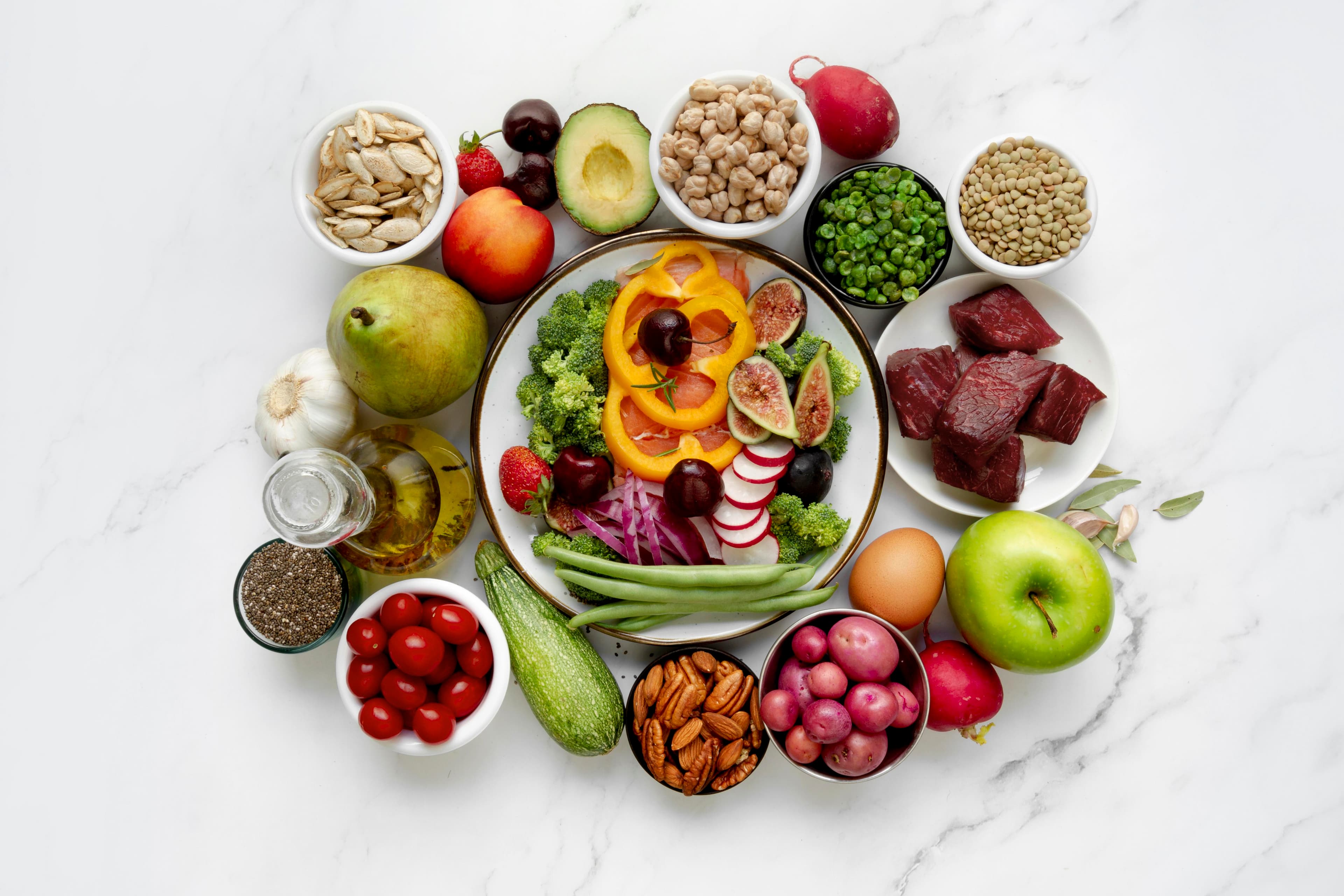
How to Build a Cholesterol-Friendly Plate
You do not need to completely redesign your diet overnight.
A simple meal structure can help.
Half the plate
Vegetables and other high-fiber plant foods.
One quarter
A protein source such as:
Fish
Beans
Lentils
Tofu
Lean poultry
One quarter
A high-fiber carbohydrate such as:
Oats
Whole grains
Brown rice
Barley
Whole-grain bread
Add a moderate amount of an unsaturated fat source such as nuts, seeds, avocado, or olive oil.
This type of structure is generally more sustainable than following an extremely restrictive diet.
A Simple 5-Step Cholesterol Diet Strategy
If you are not sure where to begin, start with these five changes:
1. Reduce saturated fat. Use less butter, fatty meat, processed meat, and high-fat dairy.
2. Increase soluble fiber. Add oats, beans, lentils, fruit, and psyllium where appropriate.
3. Replace rather than simply remove. Swap saturated fats for unsaturated fats.
4. Eat more minimally processed plant foods. Build meals around vegetables, legumes, whole grains, nuts, and seeds.
5. Recheck your lipid profile when appropriate. Use follow-up testing to see whether your changes are actually working.
This last step is particularly important.
You cannot always tell how much your cholesterol has changed simply by how you feel.
Don't Forget the Other Heart-Healthy Habits
Cholesterol is only one part of cardiovascular health.
A comprehensive approach also includes:
Regular physical activity
Maintaining a healthy weight
Not smoking
Managing blood pressure
Managing blood glucose
Getting adequate sleep
Managing stress
Limiting highly processed foods
Following recommended preventive screenings
The best cholesterol strategy is therefore usually part of a broader heart-health plan. The Bottom Line
Yes, diet can meaningfully lower cholesterol—but how much it helps depends on the individual.
The strongest evidence supports a combination of dietary strategies rather than relying on one "cholesterol-lowering" food.
The most useful changes include:
Reducing saturated fat
Avoiding trans fats
Increasing soluble fiber
Eating more vegetables, fruits, legumes, and whole grains
Adding nuts and seeds
Choosing unsaturated fats
Eating omega-3-rich fish
Considering plant sterols when appropriate
Following an overall heart-healthy dietary pattern
For some people, these changes may be enough to produce a substantial improvement.
For others—particularly people with very high LDL cholesterol, familial hypercholesterolemia, diabetes, existing cardiovascular disease, or elevated overall cardiovascular risk—diet may need to be combined with medication.
The most useful approach is not to think of diet and medication as opposites. Instead, consider diet as one important part of a long-term cardiovascular risk-reduction strategy.
Medical Disclaimer: This article is for general informational and educational purposes only. It is not a substitute for professional medical advice, diagnosis, or treatment. Cholesterol targets and treatment decisions depend on individual risk factors and medical history. Always consult a qualified healthcare provider before making significant dietary changes, stopping medication, or starting a cholesterol-lowering treatment.
This article is for general information only and is not a substitute for professional medical advice, diagnosis or treatment. Read our Medical Disclaimer.
Frequently Asked Questions
Sometimes, particularly when the elevation is modest and strongly related to dietary habits. However, diet alone may not be enough for people with very high LDL cholesterol, inherited cholesterol disorders, or significant cardiovascular risk.
A comprehensive dietary intervention may reduce LDL cholesterol by roughly 10–20% for many people, with individual responses varying. Some structured approaches can produce larger reductions.
There is no single best food. Oats, beans, lentils, nuts, seeds, vegetables, fruits, and foods containing plant sterols can all contribute to a cholesterol-friendly dietary pattern.
Oats contain soluble fiber, particularly beta-glucan, which can contribute to LDL reduction when consumed regularly as part of an overall healthy diet.
Not necessarily. Your overall dietary pattern, saturated-fat intake, health conditions, and cardiovascular risk are more important than focusing on one food alone. Individual advice may be appropriate for people with specific medical conditions.
Exercise can support cardiovascular health and may improve triglycerides and other metabolic measures. It is also an important part of maintaining a healthy weight and reducing overall cardiovascular risk.
Cholesterol generally does not change dramatically overnight. Meaningful changes may appear after several weeks of consistent lifestyle changes, often around 4–12 weeks depending on the individual situation.
Yes. Medication and lifestyle changes can complement each other. A heart-healthy diet can improve overall cardiovascular health even when medication is necessary.
Talk with your healthcare provider. Very high LDL levels can sometimes indicate an inherited condition such as familial hypercholesterolemia or another reason that requires additional evaluation and treatment.
Common Questions About Cholesterol
How quickly can dietary changes lower cholesterol?
Consistent dietary changes usually need several weeks before their effect becomes clear on a lipid panel. Many people may see meaningful changes within about 4–12 weeks, depending on their starting cholesterol levels and how consistently they follow the changes.
Which foods are most helpful for lowering LDL cholesterol?
Foods rich in soluble fiber, such as oats, beans, lentils, apples, and psyllium, can help lower LDL. Nuts, seeds, fatty fish, and foods containing unsaturated fats can also support a heart-healthy eating pattern.
Can replacing saturated fat help reduce cholesterol?
Yes. Replacing saturated fats from foods such as butter, fatty meats, and full-fat dairy with unsaturated fats from sources such as olive oil, nuts, seeds, and fish can help reduce LDL cholesterol.