Technology reviewed by Dishant Chanchad, Chief Technology Officer
Published August 9, 2026Updated September 3, 202612 min read
Good cholesterol” and “bad cholesterol” are phrases most people have heard, but the
reasoning behind them and what to actually do about your own numbers is less well
understood.
“Good cholesterol” and “bad cholesterol” are phrases most people have heard, but the reasoning behind them—and what to actually do about your own numbers—is less well understood.
A standard lipid panel provides several measurements, including LDL cholesterol, HDL cholesterol, total cholesterol, and triglycerides. Each value tells a different part of the story, and looking at the numbers together can provide a more useful picture of cardiovascular health than focusing on one result alone.
Understanding what these numbers mean can help you have more informed conversations with your healthcare provider and make practical lifestyle decisions that support long-term heart health.
Cholesterol Isn’t the Villain—Context Matters
Cholesterol is a waxy, fat-like substance that your body needs. It plays important roles in building cell membranes, producing certain hormones, and making vitamin D.
Because cholesterol does not dissolve easily in blood, it is transported through the bloodstream by particles called lipoproteins.
Two of the best-known lipoproteins are LDL and HDL.
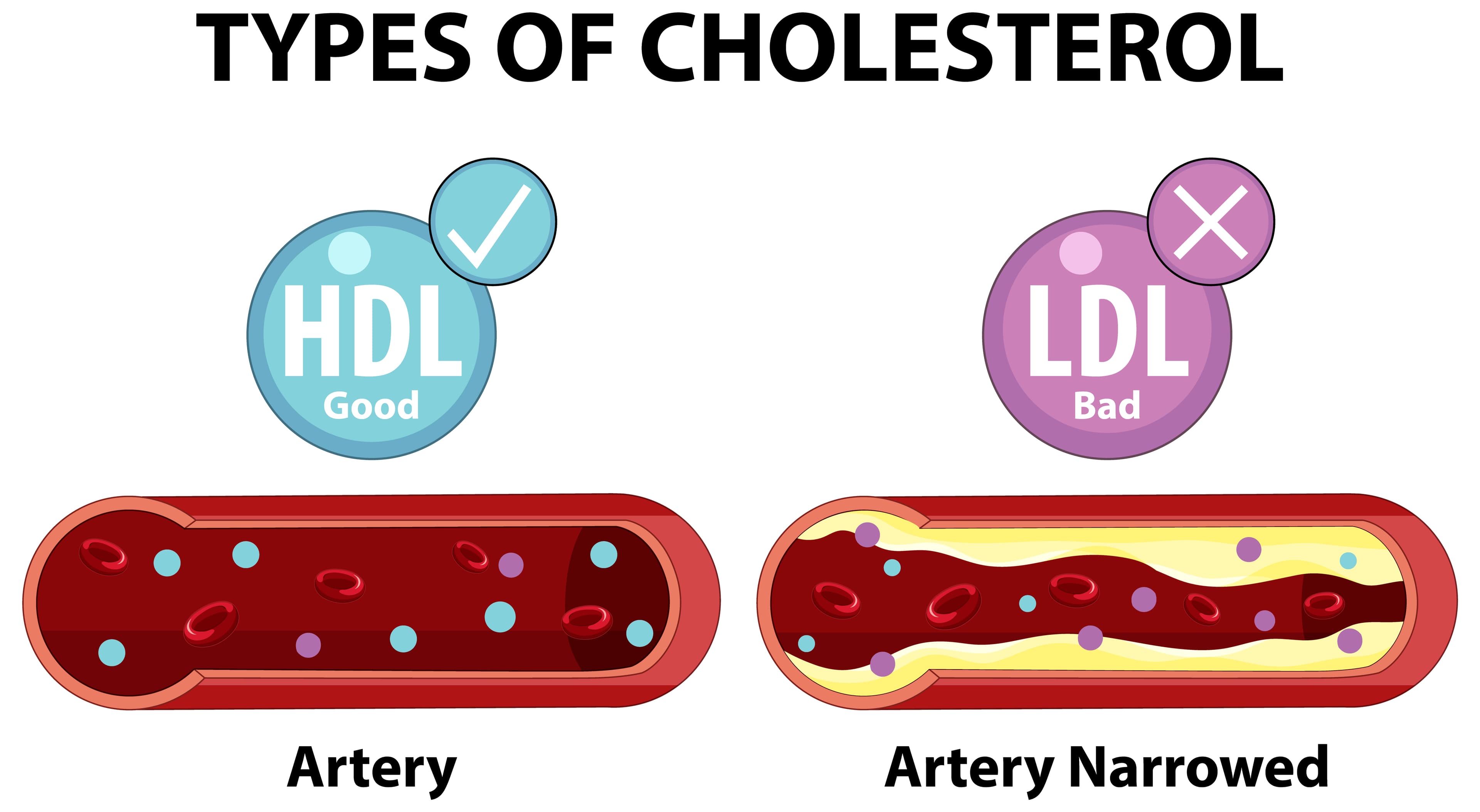
LDL is commonly called “bad cholesterol” because elevated levels can contribute to cholesterol buildup in artery walls. HDL is often called “good cholesterol” because it participates in transporting cholesterol back toward the liver.
However, these labels are simplified descriptions. Cardiovascular risk depends on much more than whether your HDL is high or your LDL is low.
Age, blood pressure, diabetes, smoking, family history, triglycerides, other lipid measurements, and previous cardiovascular disease can all influence your overall risk.
What Is LDL Cholesterol?
LDL stands for low-density lipoprotein.
LDL particles transport cholesterol from the liver to tissues throughout the body. Your body needs cholesterol for normal functions, but having too many LDL particles circulating in the bloodstream can increase the likelihood of cholesterol entering artery walls.
Over time, this can contribute to the formation of atherosclerotic plaque.
Atherosclerosis can narrow arteries and make them less flexible. If a plaque becomes unstable and contributes to a blood clot, it can potentially block blood flow and contribute to events such as a heart attack or ischemic stroke.
For this reason, LDL cholesterol is one of the most important lipid-related factors considered when assessing cardiovascular risk.
Is Lower LDL Always Better?
For people at elevated cardiovascular risk, lowering LDL can be an important part of risk reduction.
However, the appropriate LDL target is not necessarily identical for everyone.
A person with established cardiovascular disease may have a substantially lower LDL goal than someone with no known cardiovascular disease and relatively few risk factors.
Your healthcare provider may therefore interpret your LDL result in the context of your complete health history rather than relying only on a general reference range.
What Is HDL Cholesterol?
HDL stands for high-density lipoprotein.
HDL participates in a process called reverse cholesterol transport, in which cholesterol can be transported from tissues toward the liver for processing and elimination.
Higher HDL levels have traditionally been associated with lower cardiovascular risk.
However, HDL should not be viewed as a simple “protective score.” Raising HDL by itself is not necessarily the primary treatment goal.
Instead, healthcare professionals generally focus on the overall cardiovascular risk picture, particularly LDL and other atherogenic lipoproteins, along with lifestyle and medical factors.
What Is Total Cholesterol?
Total cholesterol is a combined measurement that reflects cholesterol carried in several types of lipoproteins.
It is commonly estimated from LDL cholesterol, HDL cholesterol, and a component related to triglycerides.
Total cholesterol can be useful as a general screening measurement, but it does not tell the complete story.
For example, two people could have the same total cholesterol but very different LDL, HDL, and triglyceride levels.
That is why looking at the individual components of a lipid panel is generally more informative.
What Are Triglycerides?
Triglycerides are another type of fat found in the blood.
The body stores excess calories as triglycerides and can release them for energy when needed.
Triglyceride levels can be influenced by factors such as diet, alcohol intake, body weight, physical activity, blood sugar regulation, certain medications, and genetics.
Persistently elevated triglycerides can be associated with increased cardiovascular risk, particularly when they occur alongside other metabolic risk factors.
Very high triglyceride levels can also increase the risk of acute pancreatitis and require medical attention.
Understanding Common Lipid Reference Ranges
General reference ranges are useful for understanding a lipid panel, but your personal treatment target may be different.
Marker
Generally Desirable
Borderline / Intermediate
High
LDL cholesterol
Below 100 mg/dL
100–159 mg/dL
160 mg/dL or higher
HDL cholesterol
60 mg/dL or higher
40–59 mg/dL
Below 40 mg/dL
Total cholesterol
Below 200 mg/dL
200–239 mg/dL
240 mg/dL or higher
Triglycerides
Below 150 mg/dL
150–199 mg/dL
200 mg/dL or higher
These are broad reference categories and should not be interpreted as personalized treatment targets.
For example, someone with known cardiovascular disease or certain other risk factors may be advised to maintain an LDL level substantially below 100 mg/dL.
Your healthcare provider can determine the appropriate target based on your overall risk profile.
What Can Raise LDL Cholesterol?
LDL levels are influenced by both genetics and lifestyle.
Saturated Fat
Foods high in saturated fat can raise LDL cholesterol in many people.
Common sources include fatty cuts of meat, butter, full-fat dairy products, ghee, certain fried foods, and some packaged foods.
Replacing some saturated fats with unsaturated fats can be a useful dietary strategy.
Trans Fats
Industrial trans fats can negatively affect cholesterol levels and cardiovascular health.
Many countries have reduced or restricted their use, but it is still useful to check food labels and limit products containing partially hydrogenated oils where they are present.
Genetics
Genetics can have a substantial influence on LDL cholesterol.
Some people have inherited conditions such as familial hypercholesterolemia, which can cause very high LDL levels even when a person follows a generally healthy lifestyle.
Very high LDL cholesterol, particularly when combined with a family history of early cardiovascular disease, should be discussed with a healthcare professional.
Fiber Intake
Soluble fiber can help reduce LDL cholesterol.
Good sources include oats, barley, beans, lentils, apples, citrus fruits, vegetables, and psyllium.
Increasing fiber gradually while maintaining adequate fluid intake can make it easier to incorporate more fiber into your diet.
Physical Activity
Regular physical activity can support a healthier lipid profile and improve overall cardiovascular fitness.
Exercise may have a modest effect on LDL while supporting other beneficial changes, including improvements in triglycerides and cardiovascular fitness.
What Can Affect HDL Cholesterol?
HDL is influenced by genetics, physical activity, body composition, smoking, diet, and other metabolic factors.
Aerobic Exercise
Regular aerobic activity can support healthier HDL levels and improve overall cardiovascular health.
Activities such as brisk walking, cycling, swimming, and jogging can be incorporated according to your fitness level and health status.
Healthy Dietary Fats
Replacing some saturated fats with unsaturated fats can support a healthier lipid profile.
Sources of unsaturated fats include nuts, seeds, avocados, olive oil, and certain fish.
Smoking
Smoking is associated with lower HDL levels and increased cardiovascular risk.
Quitting smoking can improve cardiovascular health even beyond its effect on cholesterol.
Body Weight
Excess body weight, particularly excess visceral fat, can be associated with an unfavorable lipid profile.
For people who are overweight, gradual and sustainable weight loss may improve several cardiovascular risk factors at the same time.
What Can Raise Triglycerides?
Triglycerides can respond significantly to lifestyle and metabolic factors.
Added Sugar
Large amounts of added sugar can contribute to elevated triglycerides, particularly when overall calorie intake is high.
Sugary beverages, sweets, desserts, and other foods with substantial added sugar can contribute to excess intake.
Refined Carbohydrates
Highly refined carbohydrates can also affect triglyceride levels.
Choosing more minimally processed, fiber-rich carbohydrate sources can support better overall dietary quality.
Alcohol
Alcohol can raise triglyceride levels in some people, sometimes substantially.
If your triglycerides are elevated, your healthcare provider may recommend reducing or avoiding alcohol depending on your individual situation.
Excess Body Weight
Excess body weight is associated with metabolic changes that can contribute to higher triglycerides.
Even modest weight loss can improve triglyceride levels in many people.
Omega-3 Fatty Acids
Omega-3 fatty acids found naturally in fatty fish can support cardiovascular health.
High-dose omega-3 products can also lower triglycerides, but prescription-strength products and supplements should be used under appropriate medical guidance when treatment of high triglycerides is the goal.
LDL vs HDL: Which One Matters More?
This is one of the most common questions people ask after receiving a lipid panel.
The answer is that LDL and HDL serve different roles, but LDL is generally a more direct target for reducing atherosclerotic cardiovascular risk.
A high HDL level does not completely cancel out the potential risk associated with high LDL.
Similarly, having a low HDL level does not automatically mean that someone will develop heart disease.
Instead of asking whether LDL or HDL is “more important,” it is more useful to consider the entire lipid profile and your broader cardiovascular risk.
Why Your Overall Risk Matters
A lipid panel is only one part of cardiovascular risk assessment.
Your healthcare provider may also consider:
Age
Blood pressure
Diabetes or blood glucose status
Smoking
Family history
Previous heart attack or stroke
Kidney health
Physical activity
Body weight
Other cholesterol measurements
Certain inflammatory or metabolic conditions
This broader context helps determine whether lifestyle changes alone may be appropriate or whether medication should also be considered.
What Is Non-HDL Cholesterol?
Non-HDL cholesterol is another useful measurement that can be calculated from a standard lipid panel.
It is generally calculated by subtracting HDL cholesterol from total cholesterol.
Non-HDL cholesterol represents cholesterol carried by several potentially atherogenic lipoproteins rather than focusing only on LDL.
It can therefore provide additional information, particularly when triglycerides are elevated.
What Is ApoB?
Apolipoprotein B, commonly called ApoB, is a protein found on several atherogenic lipoprotein particles.
ApoB can provide information about the number of potentially harmful particles circulating in the bloodstream.
In some people, particularly those with metabolic risk factors, elevated triglycerides, diabetes, or uncertainty about cardiovascular risk, a healthcare provider may consider ApoB testing.
It is not necessary for everyone, but it can sometimes provide additional information beyond a standard lipid panel.
What Is Lipoprotein(a)?
Lipoprotein(a), or Lp(a), is a genetically influenced lipoprotein that can contribute to cardiovascular risk.
Lp(a) levels vary substantially between individuals and are not strongly determined by lifestyle.
Because elevated Lp(a) can run in families, testing may be considered in people with certain patterns of cardiovascular disease or family history.
Ask your healthcare provider whether Lp(a) testing is appropriate for you, especially if there is a history of premature cardiovascular disease in your family.
Lifestyle Changes That Support a Healthier Lipid Panel
You do not necessarily need to make dramatic changes all at once.
Small, consistent improvements can support cardiovascular health over time.
Build a Heart-Healthy Eating Pattern
Focus on vegetables, fruits, legumes, whole grains, nuts, seeds, and other minimally processed foods.
Choose lean or plant-based protein sources more often and replace some saturated fats with unsaturated fats.
Increase Soluble Fiber
Adding foods such as oats, beans, lentils, apples, and other fiber-rich foods can help support healthier LDL levels.
Increase fiber gradually if your current intake is low.
Exercise Regularly
Aim for regular physical activity throughout the week.
Brisk walking is a practical starting point for many adults, while cycling, swimming, strength training, and other activities can provide additional benefits.
Avoid Smoking
If you smoke, quitting is one of the most important steps you can take for cardiovascular health.
Maintain a Healthy Weight
If you have excess body weight, gradual weight reduction can improve several cardiovascular and metabolic risk factors.
The focus should be on sustainable habits rather than rapid weight loss.
Prioritize Sleep
Consistent, adequate sleep supports metabolic and cardiovascular health.
Establishing regular sleep and wake times and addressing persistent sleep problems can be useful parts of an overall health strategy.
When Should You Talk to a Healthcare Provider?
Consider discussing your lipid panel with a healthcare professional if:
Your LDL is significantly elevated.
Your triglycerides are high.
You have diabetes or elevated blood glucose.
You have high blood pressure.
You have a strong family history of early heart disease.
You have previously had a heart attack or stroke.
You have been told that your cholesterol remains high despite lifestyle changes.
You are unsure whether medication may be appropriate.
A single abnormal result does not always tell the entire story. Your healthcare provider can determine whether repeat testing, additional tests, lifestyle intervention, or medication is appropriate.
LDL and HDL cholesterol are important parts of a lipid panel, but neither number should be interpreted in isolation.
LDL is strongly associated with the development of atherosclerotic plaque and is an important target for cardiovascular risk reduction. HDL participates in cholesterol transport and is associated with cardiovascular health, but a high HDL level does not eliminate the risks associated with elevated LDL or other cardiovascular risk factors.
Triglycerides, total cholesterol, non-HDL cholesterol, and—when appropriate—markers such as ApoB and Lp(a) can provide additional information.
The most useful approach is to look at your complete lipid profile alongside your blood pressure, blood glucose, family history, smoking status, age, physical activity, and other health factors.
A heart-healthy eating pattern, regular physical activity, avoiding tobacco, maintaining a healthy weight, and working with a healthcare professional when medication is appropriate can all contribute to better cardiovascular health.
Medical Disclaimer: This article is intended for general informational and educational purposes only. It is not a substitute for professional medical advice, diagnosis, or treatment. Cholesterol targets and treatment recommendations vary according to individual cardiovascular risk. Always consult a qualified healthcare professional to interpret your lipid panel and determine the most appropriate approach for your health.
This article is for general information only and is not a substitute for professional medical advice, diagnosis or treatment. Read our Medical Disclaimer.
Frequently Asked Questions
Both provide useful information, but LDL is generally a more direct focus when assessing and reducing atherosclerotic cardiovascular risk. HDL should be considered as part of the overall lipid profile rather than as a standalone protective number.
An LDL below 100 mg/dL is commonly considered desirable for many people. However, people at higher cardiovascular risk may have a lower individualized LDL target.
Higher HDL has traditionally been associated with lower cardiovascular risk, but HDL is not simply a number that should be increased at all costs. Overall cardiovascular risk and LDL-related risk remain important.
Yes. Regular physical activity can support a healthier lipid profile and improve cardiovascular fitness. The effect varies between individuals and may depend on the type, frequency, and intensity of exercise.
Diet can meaningfully influence LDL levels. Reducing saturated fat, avoiding trans fats, increasing soluble fiber, and choosing more unsaturated fats can support healthier cholesterol levels.
Regular walking contributes to physical activity and can support cardiovascular health. Consistent moderate activity may also improve several lipid and metabolic risk factors.
Some people can improve their cholesterol levels through lifestyle changes, particularly when diet, physical activity, body weight, and smoking are contributing factors. However, lifestyle changes are not always enough, especially when genetic or other high-risk conditions are present.
The appropriate testing interval depends on your age, health history, cardiovascular risk, previous results, and whether you are receiving treatment. Your healthcare provider can recommend a schedule appropriate for you.
Common Questions About Cholesterol
What is the difference between LDL and HDL cholesterol?
LDL carries cholesterol to cells and can contribute to plaque buildup in arteries when levels are too high. HDL helps carry excess cholesterol back to the liver for removal.
Why is LDL called “bad” cholesterol?
High levels of LDL can contribute to cholesterol buildup in artery walls, increasing the risk of atherosclerosis, heart attack, and stroke.
Why is HDL called “good” cholesterol?
HDL helps transport excess cholesterol away from the arteries and back to the liver. Higher HDL levels are generally associated with better cardiovascular health.
What is a healthy LDL cholesterol level?
For general reference, an LDL level below 100 mg/dL is considered optimal. People with certain cardiovascular risk factors may have a lower target recommended by their healthcare provider.
What is a healthy HDL cholesterol level?
An HDL level of 60 mg/dL or higher is generally considered protective. HDL below 40 mg/dL is considered low.