Technology reviewed by Dishant Chanchad, Chief Technology Officer
Published August 15, 2026Updated September 4, 202612 min read
instruction to fast before a blood test is one of the most common pieces of pre-appointment guidance and one of the most commonly misunderstood.
Fasting vs Non-Fasting Blood Tests: Does It Actually Matter?
"Please fast before your blood test."
It is one of the most common instructions people receive before laboratory testing—and one of the easiest to misunderstand.
Some people assume every blood test requires fasting. Others arrive after breakfast because they were never told that food could affect their results. The reality is more nuanced: some tests are affected significantly by recent food intake, while others can be performed accurately without fasting.
Even when fasting is recommended, the required fasting period can vary depending on the tests being performed and the reason for testing.
Understanding when fasting matters can help you prepare correctly, avoid unnecessary repeat testing, and give your healthcare provider more reliable information.
This guide explains which common blood tests may require fasting, which generally do not, what happens if you accidentally eat beforehand, and how to prepare safely for a fasting blood draw.
Why Does Fasting Matter for Certain Blood Tests?
Eating causes temporary changes throughout the body.
After a meal:
Blood glucose rises
Insulin levels increase
Triglycerides can increase
Digestion changes hormone activity
Certain metabolic measurements can shift
Blood composition can temporarily change
These changes are completely normal.
The problem occurs when a test is designed to assess a person's baseline or fasting state.
For example, if you eat a carbohydrate-rich breakfast shortly before a fasting glucose test, your blood glucose may be substantially higher than it would be after an overnight fast.
That does not necessarily mean you have diabetes.
Similarly, a meal can increase triglycerides and affect interpretation of a lipid panel.
Therefore, fasting is sometimes used to create a more standardized testing condition.
What Does "Fasting" Actually Mean?
For most blood tests that require fasting, fasting means not consuming food or caloric beverages for a specified period before the blood draw.
A commonly used fasting period is approximately:
8–12 hours
For a morning appointment, this often means finishing dinner the evening before and then having the blood test the following morning.
What About Water?
In many fasting protocols, plain water is allowed and encouraged.
Staying hydrated can make the blood draw easier and may help prevent dehydration-related changes in certain laboratory measurements.
However, always follow the specific instructions provided by your doctor or laboratory because requirements can differ depending on the test.
Which Blood Tests Typically Require Fasting?
Whether fasting is required depends on the specific test and the clinical situation.
Some tests are particularly sensitive to recent food intake.
1. Fasting Blood Glucose
Fasting glucose measures blood sugar after a period without caloric intake.
It is commonly used when evaluating:
Diabetes
Prediabetes
Abnormal glucose regulation
Metabolic health
Because eating directly raises blood glucose, a sample taken shortly after a meal cannot be interpreted in the same way as a fasting glucose measurement.
If your healthcare provider specifically orders a fasting glucose test, follow the fasting instructions carefully.
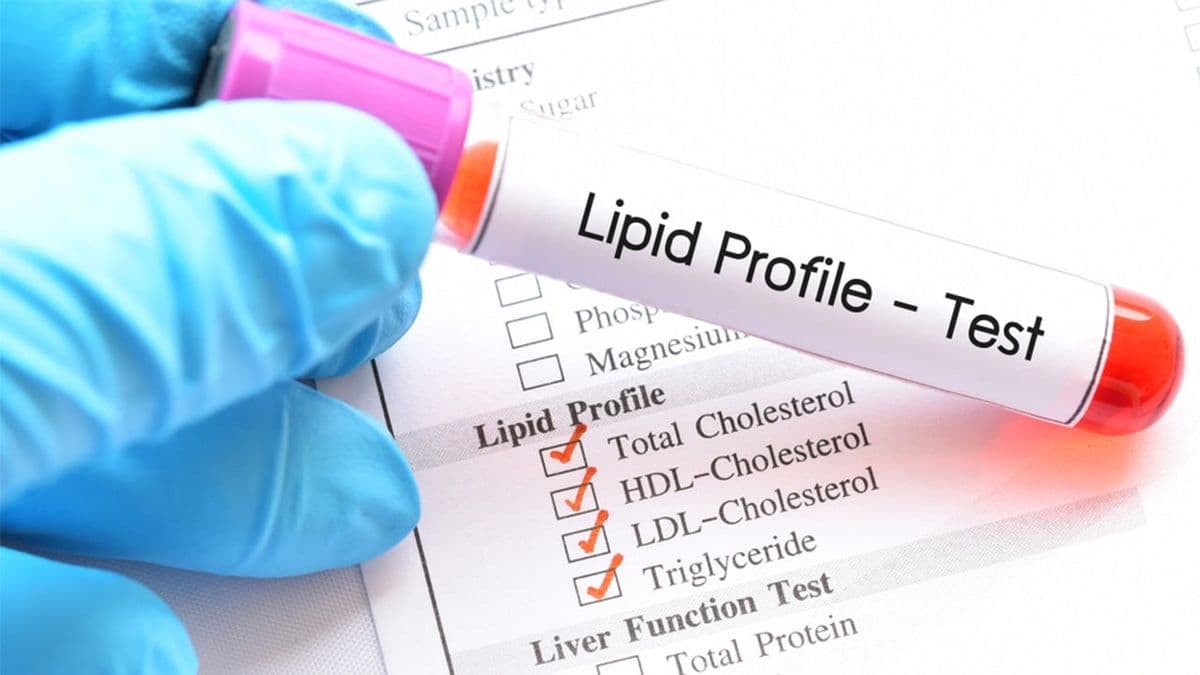
2. Lipid Panel
A lipid panel commonly measures:
Total cholesterol
LDL cholesterol
HDL cholesterol
Triglycerides
Historically, fasting was frequently required for lipid testing.
Today, however, the situation is more flexible.
For many people undergoing routine cardiovascular risk assessment, non-fasting lipid testing can be acceptable.
This is because total cholesterol and HDL generally change relatively little after an ordinary meal, while triglycerides can be more noticeably affected.
Fasting may still be preferred when:
Triglycerides are significantly elevated
A previous test showed high triglycerides
A specific lipid disorder is being evaluated
Your clinician wants a fasting measurement for comparison
The laboratory specifically requests fasting
Do not assume that every cholesterol test requires fasting—or that none do.
Follow the instructions attached to your specific test.
3. Basic Metabolic Panel and Comprehensive Metabolic Panel
Basic metabolic panels (BMPs) and comprehensive metabolic panels (CMPs) measure multiple markers related to metabolic health and organ function.
Depending on the panel, they may include:
Glucose
Sodium
Potassium
Chloride
Carbon dioxide
Calcium
Kidney-related markers
Liver enzymes
Protein measurements
Food intake can particularly affect the glucose component.
Whether you need to fast for the entire panel depends on why it was ordered and whether other tests are being performed at the same time.
If your doctor orders a BMP or CMP together with fasting glucose or other fasting-sensitive tests, you may be instructed to fast.
Which Blood Tests Generally Do Not Require Fasting?
Many common laboratory tests can be performed without an overnight fast.
Complete Blood Count (CBC)
A CBC measures components of your blood, including:
Red blood cells
Hemoglobin
Hematocrit
White blood cells
Platelets
A routine CBC generally does not require fasting.
HbA1c
HbA1c is different from a fasting glucose test.
It reflects your average blood glucose exposure over approximately the previous 2–3 months rather than measuring your blood sugar at one specific moment.
Because of this, eating a meal immediately before the test does not meaningfully change the HbA1c measurement.
This is one reason HbA1c is convenient for diabetes screening and monitoring.
Thyroid Tests
Common thyroid tests include:
TSH
Free T4
Sometimes T3
These generally do not require fasting.
However, certain medications and supplements can influence some thyroid-related measurements.
If your healthcare provider gives you specific instructions about medication timing, follow those instructions rather than relying on general fasting advice.
Many Hormone Tests
Many routine hormone tests do not require fasting.
However, hormone testing can be more complicated because some hormones naturally change depending on:
Time of day
Menstrual cycle
Medication use
Sleep
Stress
Recent activity
Therefore, even when fasting is not required, timing can still matter.
Your laboratory or healthcare provider should provide specific instructions if timing is important.
Kidney and Liver Tests
Many routine kidney and liver function measurements can be performed without fasting.
Examples include:
Creatinine
eGFR
BUN
ALT
AST
Alkaline phosphatase
Bilirubin
However, if these tests are included in a larger panel containing glucose or lipid measurements, fasting may still be recommended.
This is why it is better to follow the instructions for the entire group of tests rather than deciding whether to fast based on one marker.
Quick Guide: Fasting vs Non-Fasting Tests
Blood Test
Usually Requires Fasting?
Important Consideration
Fasting glucose
Yes
Food directly affects glucose
HbA1c
No
Reflects longer-term glucose levels
Lipid panel
Sometimes
Triglycerides are more meal-sensitive
CBC
Usually no
Routine food intake has little relevance
TSH
Usually no
Medication/timing may matter
Free T4/T3
Usually no
Follow specific provider instructions
Creatinine/eGFR
Usually no
Depends on overall testing situation
Liver enzymes
Usually no
Often part of larger panels
BMP
Depends
Glucose can be affected by food
CMP
Depends
Depends on components and reason for testing
Important: This table is a general guide, not a substitute for the instructions provided by your healthcare professional or laboratory.
What Happens If You Eat Before a Fasting Blood Test?
Accidentally eating before a fasting blood test is common.
If it happens, do not panic.
The most important thing is to tell the healthcare professional or laboratory technician before the blood is collected.
They may:
Proceed with the test
Record that you were not fasting
Determine that the test can still be interpreted
Recommend rescheduling
Ask you to return for a fasting sample
The correct decision depends on the specific tests being performed.
Can Eating Cause a False High Result?
Food can temporarily increase certain measurements.
Blood Glucose
A meal can raise glucose significantly compared with a fasting baseline.
Triglycerides
Triglycerides can rise after eating, sometimes substantially depending on the meal and the individual.
Other Measurements
Some biochemical markers can also change temporarily after food intake.
This does not necessarily mean the underlying health condition has changed.
It may simply mean the sample was taken under different conditions.
That distinction is important when comparing laboratory results over time.
What If You Accidentally Had Coffee?
Coffee is a particularly common source of confusion.
Some fasting protocols allow plain black coffee, while others instruct patients to consume only water.
Coffee can potentially affect certain physiological measurements, and adding:
Sugar
Milk
Cream
Flavored syrups
definitely introduces calories.
Therefore, if your instructions say water only, do not drink coffee.
If you are unsure, contact the laboratory or healthcare provider before the test.
What About Gum and Mints?
Chewing gum and consuming mints can also be problematic when strict fasting is required.
Even products marketed as "sugar-free" may contain ingredients that could potentially affect the testing protocol.
For a strict fasting blood test, the safest approach is generally to avoid:
Gum
Mints
Candy
Flavored drinks
Caloric beverages
unless your provider specifically tells you otherwise.
Can You Drink Water While Fasting?
In many standard fasting protocols, plain water is permitted.
In fact, drinking adequate water can be helpful because dehydration may make blood collection more difficult and can influence certain measurements.
A useful approach is to:
Drink plain water normally unless your healthcare provider or laboratory specifically tells you to restrict fluids.
Avoid turning a fasting blood test into a dehydration challenge.
What About Regular Medications?
This is one of the most important questions to clarify before a fasting test.
Fasting generally refers to food and caloric drinks, but some medications have specific timing requirements.
Do not automatically stop prescription medications simply because you are fasting.
Depending on the medication and the test, your healthcare provider may instruct you to:
Take the medication normally
Take it after the blood draw
Adjust the timing temporarily
Avoid a particular supplement before testing
The safest approach is to ask the ordering clinician or laboratory about any medication that may affect your preparation.
Why Morning Appointments Are Often Easier
Morning appointments are usually more convenient for fasting blood tests.
For example:
8:00 PM: Finish dinner Overnight: No food Morning: Drink water if permitted 8:00 AM: Blood draw
You can sleep through much of the fasting period instead of trying to avoid food throughout the day.
This can make fasting easier and reduce the likelihood of accidentally breaking the fasting period.
Does Non-Fasting Cholesterol Testing Have a Place?
Yes.
Modern lipid testing has increasingly recognized that non-fasting samples can be useful for routine cardiovascular risk assessment.
For many people, the changes in total cholesterol and HDL after an ordinary meal are relatively modest.
Triglycerides are more sensitive to recent food intake.
This means a non-fasting lipid panel can be convenient and clinically useful in many situations.
It may also improve compliance because patients do not have to schedule an appointment around an overnight fast.
However, fasting testing may still be preferred in certain circumstances.
For example, if triglycerides are high or a specific lipid abnormality needs further evaluation, your healthcare provider may request a fasting sample.
Why You Shouldn't Compare Fasting and Non-Fasting Results Carelessly
Suppose you have one lipid panel after an overnight fast and another after breakfast.
A difference between the two does not automatically mean your cholesterol has dramatically changed.
Some people fast unnecessarily for tests that do not require it.
This can cause:
Hunger
Headaches
Weakness
Irritability
Difficulty concentrating
For people with certain medical conditions, prolonged fasting can also create additional concerns.
Always follow the actual instructions provided.
Mistake 2: Eating Because "It's Only a Blood Test"
The opposite mistake can also cause problems.
If fasting was specifically requested, eating can make certain results less useful.
Mistake 3: Drinking Caloric Beverages
Juice, milk, sweetened tea, energy drinks, and sugary coffee can break a fast.
Mistake 4: Stopping Medication Without Asking
Do not assume fasting means stopping all medications.
Mistake 5: Not Telling the Lab You Ate
If you accidentally ate, disclose it.
The laboratory can then determine whether testing should proceed.
How to Prepare for a Fasting Blood Test
A simple preparation checklist can make the process easier.
The Evening Before
Eat your normal dinner unless instructed otherwise
Finish eating at the recommended time
Avoid alcohol if your provider has advised avoiding it before testing
Prepare any paperwork or laboratory orders
Get adequate sleep
The Morning of the Test
Do not eat if fasting is required
Drink plain water if permitted
Avoid gum and mints
Avoid caloric beverages
Follow medication instructions
Arrive on time
Tell the technician if you accidentally ate or drank something other than permitted fluids
What Should You Do If You Feel Unwell While Fasting?
Not everyone tolerates fasting equally.
If you experience significant:
Dizziness
Fainting
Severe weakness
Confusion
Sweating
Shaking
tell the healthcare professional immediately.
People with diabetes, people taking glucose-lowering medications, children, older adults, pregnant individuals, and people with certain medical conditions may need individualized fasting instructions.
Never assume that a standard fasting rule applies to everyone.
When Should You Ask Your Doctor or Lab?
Contact your healthcare provider or laboratory before testing if:
You are unsure whether fasting is required
You do not know how long to fast
You take medications that may affect glucose
You have diabetes
You are pregnant
You have previously fainted during blood draws
You accidentally ate before the test
You are unsure whether coffee is allowed
You were given conflicting instructions
A quick question before the appointment can prevent an unnecessary repeat blood draw.
A Simple Rule to Remember
When preparing for blood work, don't rely on assumptions such as:
"All blood tests require fasting."
or
"Blood tests never require fasting anymore."
Neither statement is correct.
Instead:
Check the instructions for the specific tests you are having.
If fasting is required, follow the recommended duration and ask what you can drink or take beforehand.
If you accidentally eat, tell the laboratory rather than hiding it.
The Bottom Line
Fasting matters for some blood tests, but it is not necessary for every laboratory test.
Tests such as fasting glucose are directly affected by recent food intake, while tests such as HbA1c and CBC generally do not require fasting.
Lipid testing is more nuanced. Non-fasting cholesterol testing can be appropriate for many people, while fasting may still be useful when triglycerides are elevated or a specific lipid problem is being evaluated.
The most important preparation steps are simple:
Follow the instructions provided by your healthcare professional or laboratory
Know how long you are expected to fast
Drink plain water if permitted
Avoid food and caloric beverages during the fasting period
Do not stop medications unless specifically instructed
Tell the laboratory if you accidentally ate or drank something outside the instructions
A properly prepared blood sample gives your healthcare provider a clearer picture of your health and can reduce unnecessary repeat testing.
Medical Disclaimer: This article is for general informational and educational purposes only. It is not a substitute for professional medical advice, diagnosis, or treatment. Fasting requirements vary according to the tests ordered, your health status, medications, and the laboratory's protocol. Always follow the specific preparation instructions provided by your healthcare provider or testing laboratory.
This article is for general information only and is not a substitute for professional medical advice, diagnosis or treatment. Read our Medical Disclaimer.
Frequently Asked Questions
No. Many common tests, including CBC and HbA1c, generally do not require fasting. Requirements depend on the specific tests ordered.
When fasting is required, an 8–12 hour period is commonly used. Follow the exact instructions from your healthcare provider or laboratory.
Plain water is commonly allowed during fasting, but follow your specific laboratory instructions.
It depends on the testing protocol. Some protocols may allow it, while others require water only. If you were instructed to fast strictly, choose water unless your provider says otherwise.
Do not automatically stop medication. Ask your healthcare provider whether each medication should be taken normally or after the blood draw.
Generally, no. HbA1c reflects average blood glucose over approximately the previous 2–3 months.
Not always. Non-fasting lipid testing can be appropriate for many routine cardiovascular assessments. Fasting may be preferred in certain situations, particularly when triglycerides are a concern.
Tell the laboratory technician or ordering clinician before the blood draw. They can determine whether the test should proceed or be rescheduled.
Yes. Recent food intake can affect measurements such as glucose and triglycerides and may influence interpretation of certain other tests.
Common Questions About Lab-Reports
Can I drink water while fasting for a blood test?
Yes. In most fasting blood tests, plain water is allowed and encouraged. Staying hydrated can make the blood draw easier and help prevent dehydration from affecting certain test results
How long should I fast before a blood test?
Most fasting blood tests require around 8–12 hours of fasting. However, the exact duration depends on the tests being performed, so always follow the instructions provided by your doctor or laboratory.
Can I take my regular medicines before a fasting blood test?
It depends on the medication and the test. Many medicines can be taken as usual, but some may need special instructions. Always ask your doctor or testing laboratory before changing or skipping any medication.
Is fasting dangerous?
Fasting for a routine blood test is generally tolerated by many healthy adults, but it is not appropriate to assume everyone should follow the same protocol. People with certain medical conditions or medications may require special instructions.