Technology reviewed by Dishant Chanchad, Chief Technology Officer
Published August 5, 2026Updated September 4, 202613 min read
If you’ve ever had a higher blood pressure reading at the doctor’s office than you get at home or the reverse you’re not imagining it, and you’re not alone.
If you have ever received a high blood pressure reading at the doctor's office but consistently seen lower numbers at home, you may have wondered which number is correct.
The opposite can happen too: your blood pressure may appear normal during a medical appointment but repeatedly run higher when you are at home, at work, or going about your normal day.
These patterns are real and medically recognized.
The first is called white coat hypertension. The second is called masked hypertension.
Both matter because a blood pressure reading is not simply a fixed number. It can change depending on your environment, activity, stress level, sleep, medications, caffeine intake, and even how the measurement is performed.
Understanding why your readings differ can help you and your healthcare professional get a more accurate picture of your cardiovascular risk.
What Is White Coat Hypertension?
White coat hypertension occurs when blood pressure is elevated in a medical setting but is normal outside the clinic.
The name comes from the traditional image of a doctor wearing a white coat.
For some people, visiting a healthcare setting creates enough physical or psychological stress to temporarily increase blood pressure.
You may not even feel particularly anxious.
The body can respond automatically to the situation through activation of the sympathetic nervous system. Heart rate, vascular tone, and blood pressure can temporarily increase.
For example, someone might have a clinic reading of:
145/90 mmHg
but consistently record readings around:
120–125/75–80 mmHg
at home under appropriate measurement conditions.
One elevated office reading does not automatically prove that someone has sustained hypertension.
That is one reason clinicians may recommend repeated measurements or home blood pressure monitoring before making a diagnosis or changing treatment.
Is White Coat Hypertension Harmless?
It is tempting to think of white coat hypertension as completely harmless because blood pressure is normal outside the clinic.
The situation is more nuanced.
Some research suggests that people with white coat hypertension may have a higher long-term cardiovascular risk than people whose blood pressure is consistently normal both inside and outside the clinic.
It may sometimes represent an early tendency toward elevated blood pressure rather than simply a one-time anxiety response.
For that reason, white coat hypertension should generally be monitored rather than ignored.
Your healthcare professional may recommend periodic home measurements and assessment of other cardiovascular risk factors.
What Is Masked Hypertension?
Masked hypertension is essentially the opposite pattern.
Blood pressure appears normal when measured in the clinic but is elevated during everyday life.
This pattern is particularly important because it can easily go undetected.
If a person only measures blood pressure during occasional medical appointments, the elevated readings outside the clinic may never be discovered.
The word "masked" reflects the fact that the hypertension is hidden during the usual clinical measurement.
Why Can Masked Hypertension Be Concerning?
Masked hypertension is not simply a milder form of high blood pressure.
Research has associated masked hypertension with increased cardiovascular risk compared with consistently normal blood pressure.
In some populations, its risk may approach that associated with sustained hypertension.
The problem is straightforward:
If elevated blood pressure is not detected, it may not be treated or monitored appropriately.
Over time, persistently elevated blood pressure can place additional stress on blood vessels and organs such as the heart, brain, and kidneys.
What Can Contribute to Masked Hypertension?
Several factors may cause blood pressure to be higher outside the clinic.
Workplace Stress
Someone may feel relaxed during a 10-minute medical appointment but experience substantial stress during a normal workday.
Deadlines, meetings, long working hours, and occupational pressure can all influence blood pressure.
Physical Activity
Blood pressure naturally changes with activity.
If your normal day involves considerable physical activity but your clinic measurement occurs after sitting quietly, your readings may look very different.
This does not mean the active reading is necessarily abnormal. Blood pressure should be interpreted in context and through appropriate monitoring.
Smoking
Nicotine can temporarily increase blood pressure and heart rate.
If someone smokes during everyday life but does not smoke immediately before a clinic appointment, the difference in circumstances may contribute to different readings.
Alcohol
Alcohol can affect blood pressure, particularly with regular or heavier consumption.
The timing of alcohol intake can also affect sleep, hydration, and other factors that influence blood pressure.
Poor Sleep
Sleep quality is closely connected to cardiovascular health.
Short or disrupted sleep may affect blood pressure regulation.
Sleep disorders, particularly obstructive sleep apnea, can also contribute to abnormal blood pressure patterns.
White Coat vs Masked Hypertension at a Glance
Pattern
Clinic Reading
Home/Everyday Reading
Main Concern
Normal blood pressure
Normal
Normal
Generally expected pattern
White coat hypertension
Higher
Normal
May lead to overdiagnosis; still worth monitoring
Masked hypertension
Normal
Higher
Can remain undetected
Sustained hypertension
Higher
Higher
Requires medical evaluation and management
These categories are useful concepts, but a diagnosis should not be made from a single reading.
Why One Blood Pressure Reading Is Not Enough
Blood pressure changes throughout the day.
It can rise temporarily because of:
Exercise
Stress
Caffeine
Nicotine
Pain
Poor sleep
Illness
Certain medications
Emotional excitement
It can also change with posture and rest.
This is why a single blood pressure reading provides only a snapshot.
A series of properly collected readings provides much more useful information.
For example, one reading of 150/90 does not tell the same story as repeated measurements showing:
128/78 131/80 126/76 129/79 127/77
The overall pattern is more informative than one isolated number.
Why Home Blood Pressure Monitoring Matters
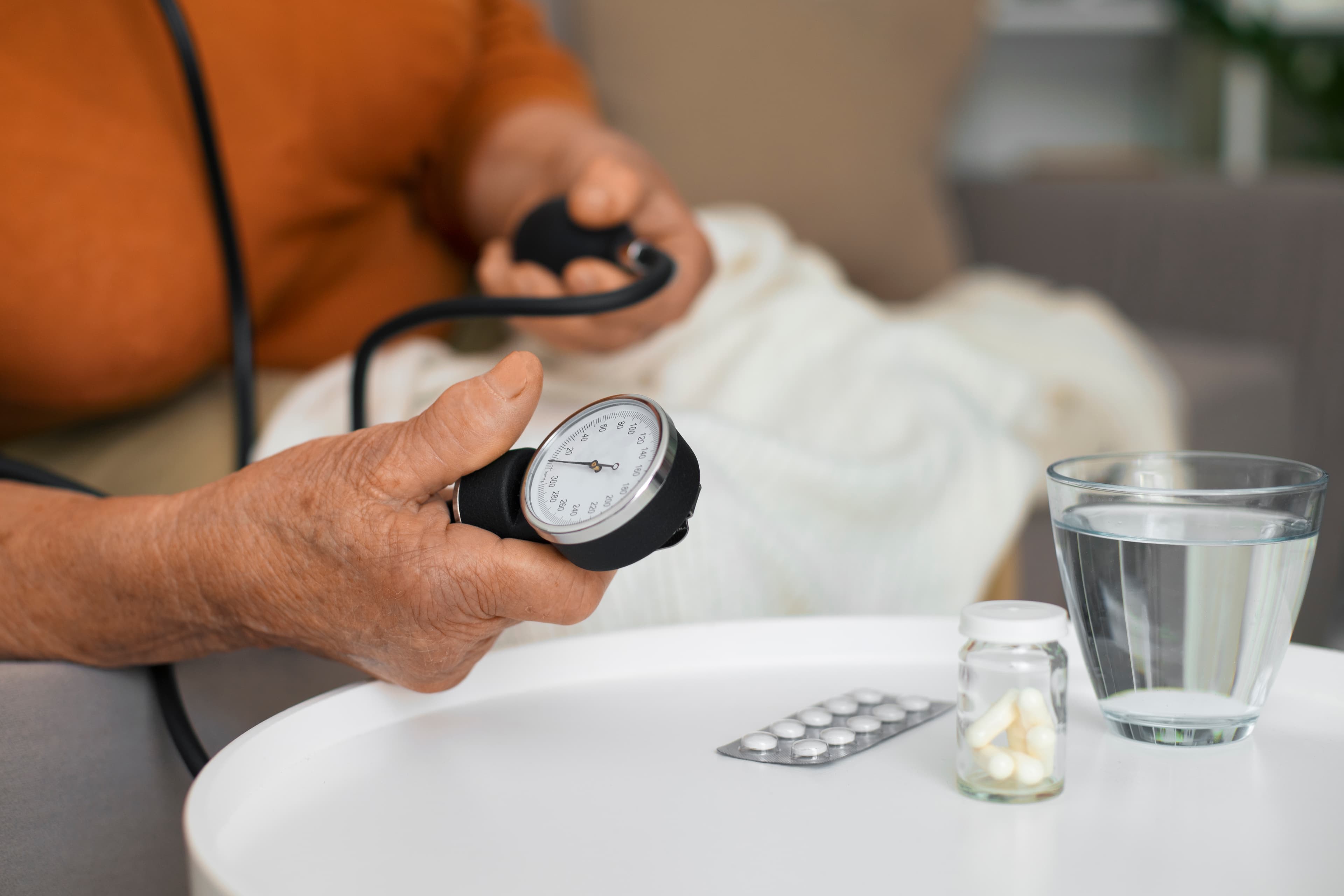
Home monitoring allows blood pressure to be measured in your normal environment.
It can help identify:
Whether blood pressure is consistently elevated
Whether clinic readings are unusually high
Whether blood pressure rises at certain times of day
Whether treatment is controlling blood pressure throughout the day
Whether readings change substantially between morning and evening
Home monitoring can therefore complement—not replace—professional medical evaluation.
For people with suspected white coat or masked hypertension, structured home monitoring can provide valuable information.
In some cases, a healthcare professional may recommend ambulatory blood pressure monitoring, which records blood pressure periodically over approximately 24 hours while you continue your normal daily activities.
How to Get an Accurate Home Blood Pressure Reading
The quality of your home readings depends heavily on how you measure.
1. Use an Appropriate Upper-Arm Monitor
A validated upper-arm blood pressure monitor is generally preferred over less reliable measurement methods.
The cuff should be appropriately sized for your arm.
An incorrectly sized cuff can produce inaccurate readings.
2. Rest Before Measuring
Sit quietly for about five minutes before taking your measurement.
Avoid measuring immediately after walking around, exercising, climbing stairs, or having an emotionally stressful conversation.
3. Position Your Body Correctly
When measuring:
Sit with your back supported
Keep both feet flat on the floor
Avoid crossing your legs
Rest your arm on a surface
Keep the cuffed arm approximately at heart level
Stay quiet and still during the measurement
Small differences in positioning can affect the result.
4. Avoid Common Temporary Influences
When possible, avoid caffeine, exercise, and smoking for about 30 minutes before measuring.
If you have just finished exercising or drinking coffee, give your body time to return closer to its resting state before taking a routine resting measurement.
5. Take Two Readings
Take two measurements about one minute apart.
Record both readings rather than choosing only the lower number.
If your healthcare professional has given you a specific monitoring schedule, follow that plan.
6. Measure Consistently
Taking measurements at approximately the same times each day can make your log easier to interpret.
Many people are asked to measure in the morning and evening for a defined period, but your healthcare professional may recommend a different schedule.
7. Look at the Average
Do not make conclusions from one unusually high or low measurement.
Blood pressure logs are most useful when they show a pattern over several days.
Morning vs Evening Blood Pressure
Blood pressure naturally follows daily rhythms.
For many people, blood pressure changes as they wake up, become active, work, eat, exercise, and eventually sleep.
That is why comparing morning and evening readings can sometimes provide useful information.
However, there is no need to become concerned about every small difference.
What matters is the overall pattern and repeated measurements.
If your healthcare professional asks you to track blood pressure twice daily, try to follow the same routine each day.
What Is Ambulatory Blood Pressure Monitoring?
Ambulatory blood pressure monitoring uses a portable device that measures blood pressure at regular intervals while you go about your normal day.
Unlike a clinic measurement, it can capture blood pressure during:
Work
Rest
Physical activity
Evening
Sleep
This can be especially helpful when white coat or masked hypertension is suspected.
It may also provide information about how blood pressure behaves overnight.
Your healthcare professional can determine whether this type of monitoring is appropriate for you.
What Is Nocturnal Blood Pressure?
Blood pressure normally decreases during sleep for many people.
This nighttime reduction is sometimes called nocturnal dipping.
If blood pressure does not fall as expected during sleep, the pattern may be described as reduced or absent dipping.
Several factors can influence nighttime blood pressure, including sleep quality, age, medications, kidney disease, diabetes, and sleep apnea.
A home blood pressure monitor generally cannot diagnose these patterns because it does not continuously measure you throughout the night.
Ambulatory monitoring may be used when nighttime blood pressure patterns need to be evaluated.
What Should You Do If Your Home and Clinic Readings Differ?
Do not try to diagnose white coat or masked hypertension based on a couple of readings.
Instead, bring your home blood pressure log to your healthcare professional.
Also consider bringing your blood pressure monitor to an appointment.
Your clinician can compare your device with the office equipment and check whether your measurement technique is appropriate.
If there is a consistent difference, they may recommend:
Structured home monitoring
Repeated office measurements
Ambulatory blood pressure monitoring
Evaluation of cardiovascular risk factors
Lifestyle changes
Medication adjustment, if appropriate
The important point is that treatment decisions should be based on reliable patterns rather than assumptions.
Common Mistakes That Can Make Home Readings Look Higher
Sometimes a difference between home and clinic readings is not actually white coat or masked hypertension.
Measurement technique can create misleading results.
Common mistakes include:
Measuring Immediately After Activity
Walking upstairs or rushing into the room can temporarily elevate blood pressure.
Talking During the Measurement
Talking can interfere with accurate measurement.
Remain quiet until the reading is complete.
Crossing Your Legs
Your posture matters. Keep both feet flat on the floor.
Unsupported Arm
If your arm is hanging down instead of being supported at heart level, the measurement may be affected.
Incorrect Cuff Size
A cuff that is too small or too large can produce inaccurate readings.
Measuring While Stressed
Checking your blood pressure immediately after receiving stressful news may capture a temporary response rather than your typical resting pressure.
Don't Stop Blood Pressure Medication Based on Home Readings Alone
One of the most important points for anyone monitoring blood pressure at home is this:
Do not stop, reduce, or change prescribed blood pressure medication without speaking with your healthcare professional.
You may notice normal readings at home and assume medication is no longer necessary.
But those normal readings may actually indicate that your treatment is working.
Likewise, repeatedly high readings may mean your treatment needs adjustment—but that decision should be made with your clinician.
Home monitoring provides information.
Your healthcare professional helps interpret it.
When Should You Contact Your Healthcare Professional?
Contact your healthcare professional if:
Your home readings are repeatedly higher than expected
Your clinic readings are consistently much higher than your home readings
You are seeing a major difference between settings
You are unsure whether your monitor is accurate
You recently started or changed blood pressure medication
You are experiencing symptoms along with abnormal readings
You have cardiovascular risk factors and are seeing persistently elevated readings
If a blood pressure reading is extremely high and you have symptoms such as chest pain, severe shortness of breath, weakness, confusion, difficulty speaking, or other concerning symptoms, seek urgent medical attention.
A Simple Home Blood Pressure Tracking Checklist
When monitoring at home, keep your routine consistent:
Before measuring
Rest quietly for about five minutes
Avoid caffeine, exercise, and smoking for about 30 minutes when possible
Empty your bladder if needed
During measuring
Sit with your back supported
Keep feet flat on the floor
Keep your arm supported at heart level
Do not talk
Use the correct cuff size
After measuring
Take a second reading after about one minute
Record both readings
Note the date and time
Record relevant circumstances if they may explain an unusual result
After several days, your log may provide a much clearer picture than a single reading at a clinic.
The Bigger Picture
Blood pressure is dynamic.
It changes with activity, stress, sleep, food, medications, caffeine, nicotine, illness, and many other factors.
That is why the question is not simply:
“What was my blood pressure?”
A better question is:
“What is my blood pressure usually like in the situations where I live my life?”
White coat hypertension can make blood pressure appear higher than it typically is outside the clinic.
Masked hypertension can hide elevated blood pressure from routine office measurements.
Both demonstrate why cardiovascular health cannot always be assessed through a single measurement.
Consistent home monitoring, accurate technique, and communication with your healthcare professional can help create a more complete picture.
The Bottom Line
Your blood pressure at the doctor's office and your blood pressure at home do not always have to match.
White coat hypertension occurs when readings are higher in the clinic but normal outside it.
Masked hypertension occurs when clinic readings appear normal but blood pressure is elevated during everyday life.
Neither pattern should simply be dismissed.
If your home and clinic readings consistently differ, keep a structured blood pressure log and share it with your healthcare professional. In some cases, ambulatory monitoring may be useful to understand your blood pressure over a full day and night.
The goal is not to chase a single “perfect” number.
The goal is to understand your true blood pressure pattern so that cardiovascular risk can be assessed accurately and treatment decisions can be made appropriately.
Medical Disclaimer
This article is provided for general informational and educational purposes only and is not a substitute for professional medical advice, diagnosis, or treatment. Blood pressure interpretation depends on individual circumstances, medical history, medications, and measurement technique. Do not start, stop, or change blood pressure medication without consulting a qualified healthcare professional. If you have a very high blood pressure reading accompanied by chest pain, severe shortness of breath, neurological symptoms, fainting, or other severe symptoms, seek urgent medical attention.
This article is for general information only and is not a substitute for professional medical advice, diagnosis or treatment. Read our Medical Disclaimer.
Frequently Asked Questions
White coat hypertension means blood pressure is elevated in a clinical setting but normal outside the clinic. Masked hypertension means blood pressure appears normal in the clinic but is elevated during everyday life.
Both deserve attention. Masked hypertension can be particularly concerning because elevated blood pressure may remain undetected. White coat hypertension may also be associated with higher cardiovascular risk than consistently normal blood pressure and should be monitored.
Yes. Stress and anxiety can activate the body's sympathetic nervous system and temporarily increase blood pressure. The response can occur even when a person does not consciously feel very anxious.
The appropriate monitoring period depends on why you are measuring and what your healthcare professional wants to determine. A structured monitoring period of several days is often more informative than one or two isolated readings.
Many home monitoring plans include both morning and evening measurements. The exact schedule should follow your healthcare professional's instructions.
es. Accuracy can be affected by the device, cuff size, battery condition, positioning, and measurement technique. Using a validated device and following proper technique can improve reliability.
Stress, anxiety, rushing, talking, pain, or simply being in a medical environment can temporarily raise blood pressure. This pattern may be consistent with white coat hypertension, but repeated measurements are needed to determine whether it is truly present.
This can occur with masked hypertension, but it can also result from differences in measurement technique, timing, activity, caffeine, stress, or equipment. A structured home log and, when appropriate, ambulatory monitoring can help clarify the pattern.
Common Questions About Blood Pressure
Why is my blood pressure higher at the doctor’s office than at home?
This may be an example of white coat hypertension, where blood pressure rises temporarily in a clinical setting because of stress or anxiety. Consistent home monitoring can help determine whether your blood pressure is actually elevated outside the clinic.
Can my blood pressure be normal at the doctor’s office but high at home?
Yes. This is known as masked hypertension. It can occur when everyday factors such as work stress, poor sleep, physical activity, smoking, or alcohol cause blood pressure to rise outside the clinic.
Why is home blood pressure monitoring important?
Home monitoring provides readings from your normal daily environment and can reveal patterns that may not appear during an occasional clinic visit. Tracking readings over several days can give your healthcare provider a more complete picture of your blood pressure.